Last updated:
That tight, balloon-like feeling after a meal is one of the most common digestive complaints there is. As Cleveland Clinic puts it, bloating happens to almost everyone. Usually it’s harmless and passes within hours, but frequent bloating can make clothes uncomfortable and meals stressful. Here’s what typically causes it, what tends to help, and the signs that mean it’s time to get checked.
- Most bloating comes from gas, either swallowed air or gas made by gut bacteria breaking down certain carbohydrates.
- Eating slowly, cutting back on fizzy drinks and gum, and walking after meals are simple first steps.
- Food triggers vary from person to person; a short food-and-symptom log can help you spot yours.
- Bloating that lasts more than a week, or comes with fever, vomiting, bleeding, severe pain or weight loss, needs medical attention.
What bloating actually is
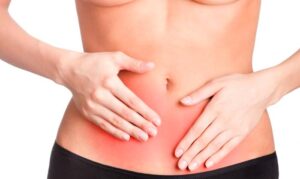
Bloating is the sensation of fullness, pressure or trapped gas in your belly. It sometimes comes with distention, a visible increase in the size of your abdomen. The American Gastroenterological Association (AGA) describes bloating as a subjective feeling and distention as a measurable change in girth; you can have one without the other.
Passing gas and belching are normal. The National Institute of Diabetes and Digestive and Kidney Diseases (NIDDK) says most people pass gas between 8 and 14 times a day and may belch up to 30 times. Gas becomes a problem when symptoms happen often, bother you or interfere with daily life.
Common causes of bloating
Swallowed air
NIDDK notes that eating or drinking quickly, chewing gum, sucking on hard candy and drinking carbonated beverages all increase how much air you swallow.
Gas-producing foods
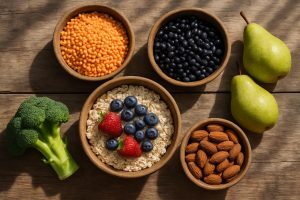
Some carbohydrates aren’t fully digested in the small intestine. When they reach the large intestine, bacteria ferment them and produce gas. According to NIDDK’s dietary guidance, common culprits include beans, peas and lentils; cruciferous vegetables like broccoli, cauliflower and kale; apples, peaches and pears; dairy products; whole wheat; drinks with high-fructose corn syrup; and sugar alcohols such as sorbitol and xylitol. High-fat foods can also contribute.
Food intolerances
Trouble digesting lactose, fructose or wheat can lead to gas and bloating. Celiac disease is another possible cause.
Constipation
When stool moves slowly, gas and pressure can build up. Our guide to how constipation affects your well-being explores this connection.
Hormones, medications and other conditions
Cleveland Clinic lists hormonal shifts around menstruation or perimenopause, certain medications and a sedentary lifestyle as contributors. Irritable bowel syndrome (IBS) and small intestinal bacterial overgrowth (SIBO) can also make bloating more frequent.
Quick relief tips you can try today
These strategies come from NIDDK and Cleveland Clinic guidance:
- Slow down at meals. Sit down, chew thoroughly and put your fork down between bites to swallow less air.
- Skip the fizz. Cut back on soda, sparkling water and beer.
- Ditch the gum and hard candy, especially sugar-free versions sweetened with sugar alcohols.
- Eat smaller, more frequent meals instead of large ones.
- Take a walk. Gentle activity helps move gas through your digestive tract.
- Stay hydrated and keep fiber steady. Adequate fiber and fluids support regularity, but add fiber gradually.
- Limit very salty and highly processed foods, which Cleveland Clinic links to bloating.
Common triggers and simple swaps
| Trigger | Why it can cause bloating | Try instead |
|---|---|---|
| Carbonated drinks | Adds gas directly to your stomach | Still water, herbal tea |
| Chewing gum, sugar-free candy | Swallowed air plus sugar alcohols that ferment in the gut | A piece of fresh fruit you tolerate well |
| Large, rushed meals | More swallowed air and a fuller stomach at once | Smaller meals eaten seated and slowly |
| Milk and ice cream (if lactose intolerant) | Undigested lactose is fermented by bacteria | Lactose-free milk or smaller dairy portions |
| A sudden jump in beans or bran | Gut bacteria need time to adjust to more fiber | Small portions, increased over a few weeks |
Finding your personal triggers
NIDDK points out that foods that cause gas differ from person to person. Rather than cutting out entire food groups, which can shortchange you on nutrients, keep a simple log for one to two weeks: what you ate, when and how you felt afterward.
If a pattern emerges, a doctor or registered dietitian can help you test it. For some people with IBS or other conditions, NIDDK notes that specialized eating patterns such as a low-lactose, gluten-free or low-FODMAP diet may help. These work best with professional guidance, because they’re meant to be temporary and carefully reintroduced.
What about supplements and over-the-counter products?
The evidence is limited and mixed.
- Probiotics: Although some people find them helpful, the AGA’s clinical practice update says probiotics are not recommended for treating bloating or distention.
- Peppermint oil: The National Center for Complementary and Integrative Health (NCCIH) reports that a 2022 review found enteric-coated peppermint oil capsules were better than placebo for overall IBS symptoms and abdominal pain. Side effects can include heartburn, nausea and dry mouth.
- Other OTC options: Cleveland Clinic mentions antacids and magnesium among home remedies. Ask a pharmacist or doctor which, if any, suit you, especially if you take other medications.
The AGA also highlights that diet changes and brain-gut approaches such as diaphragmatic breathing and certain psychological therapies can help people with ongoing bloating.
When bloating may be serious
Occasional bloating after a big meal is normal. Persistent or worsening bloating is different. Cleveland Clinic notes that conditions such as fluid buildup in the abdomen (ascites), pancreatic insufficiency, inflammatory bowel disease and certain cancers can cause bloating. Upper-abdominal discomfort with burning or nausea can also point to stomach irritation; read more in our article on gastritis and its treatment.
Contact a healthcare provider if bloating lasts more than a week, keeps coming back, or appears with fever, vomiting, blood in your stool, weakness, unexplained weight loss, a sudden change in bowel habits or severe abdominal pain. Seek emergency care for severe, sudden pain or a hard, swollen abdomen.
Frequently asked questions
Why am I bloated every day?
Daily bloating can stem from eating habits, specific food triggers, constipation or conditions like IBS or food intolerances. If it happens every day, talk with your doctor to rule out underlying causes.
How long does bloating usually last?
Bloating from a meal or swallowed air often eases within hours. Bloating that persists for more than a week should be evaluated.
Does drinking water help bloating?
Staying hydrated supports regular bowel movements, which can reduce bloating linked to constipation. Choose still water over carbonated drinks.
Can stress cause bloating?
The gut and brain are closely connected. The AGA notes that brain-gut therapies can help some people with bloating, which suggests stress and the nervous system can play a role.
Sources
- Cleveland Clinic, Bloated Stomach
- NIDDK, Symptoms and Causes of Gas in the Digestive Tract
- NIDDK, Eating, Diet and Nutrition for Gas in the Digestive Tract
- American Gastroenterological Association, Clinical practice update on belching, bloating and distention
- NCCIH, Peppermint Oil
Save this guide for later on Pinterest