Last updated:
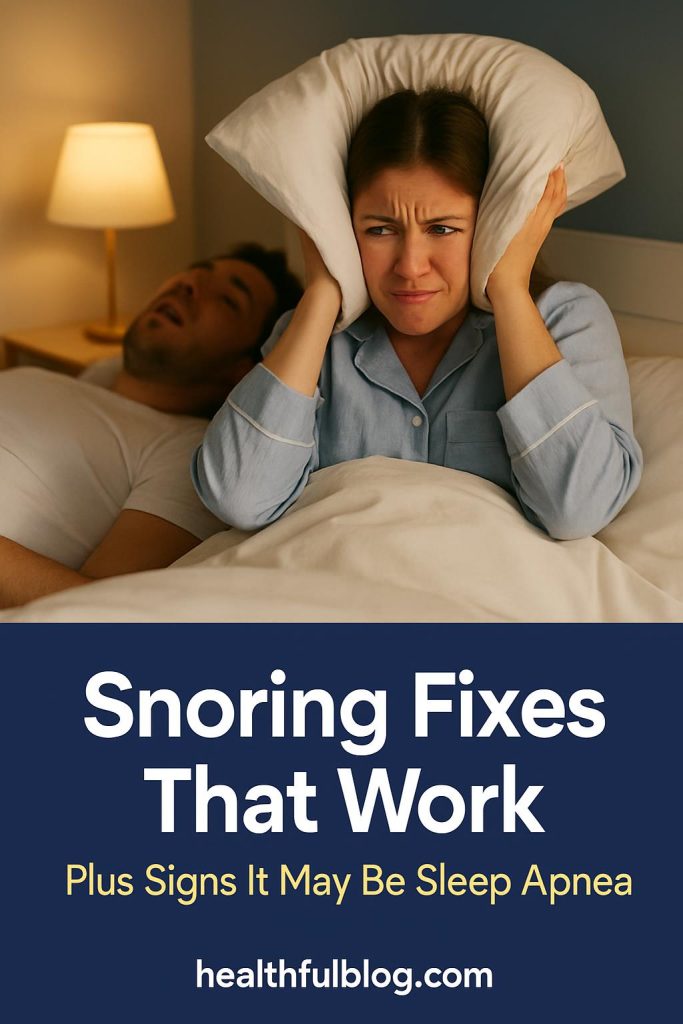
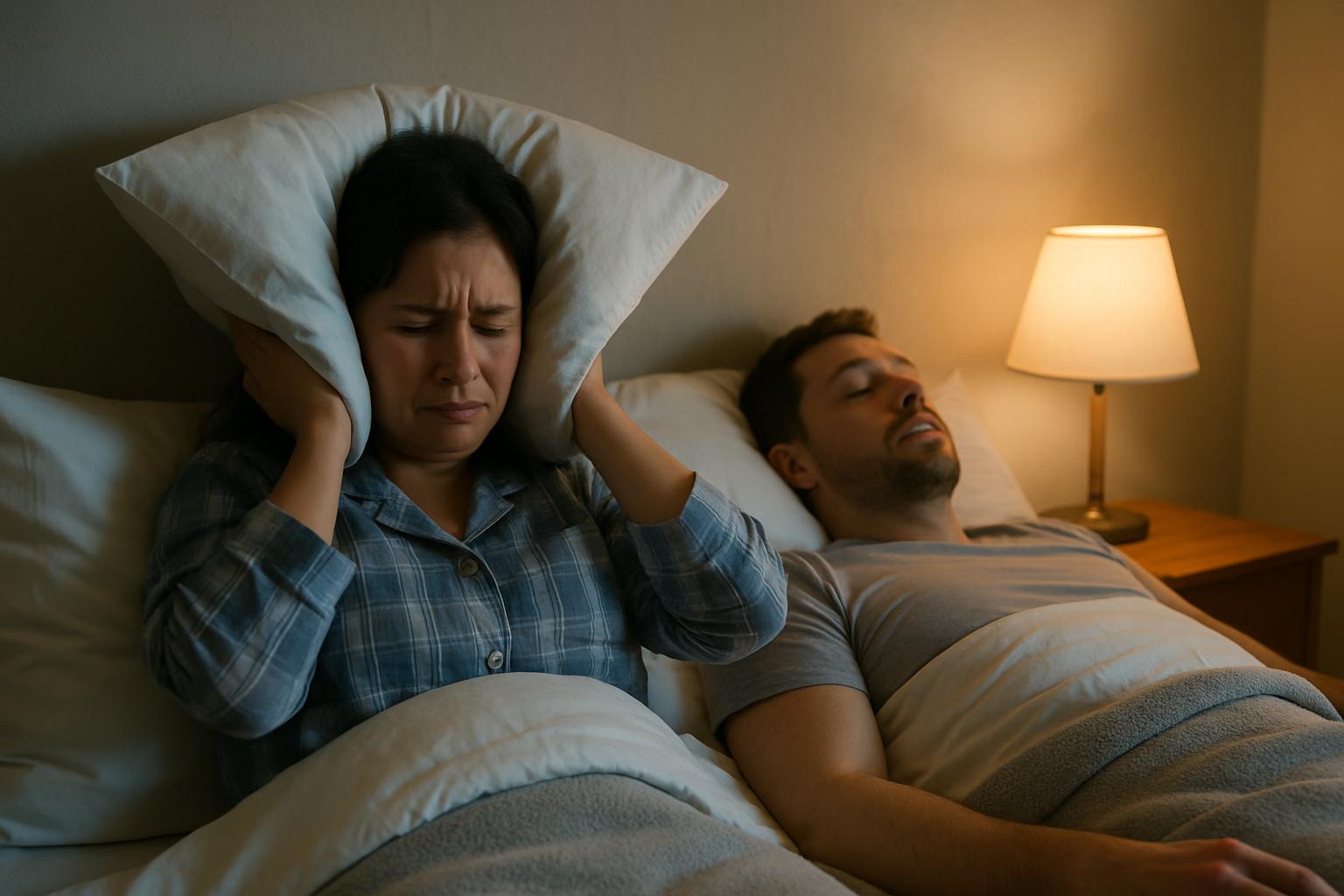
Snoring can test a relationship, send someone to the couch and leave the snorer waking up groggy. The good news is that several snoring remedies have real evidence behind them, from simple changes in sleep position to custom dental devices. The key is matching the fix to the cause and knowing when snoring is actually a sign of sleep apnea.
- Snoring happens when air flows past relaxed throat tissues and makes them vibrate.
- Side sleeping, weight loss, avoiding alcohol before bed and treating nasal congestion are first-line steps.
- Custom oral appliances fitted by a dentist can be effective for chronic snoring.
- Loud snoring with pauses, gasping or daytime sleepiness needs a medical evaluation for sleep apnea.
Why you snore
According to Mayo Clinic, snoring occurs when air flows past relaxed tissues in your throat, causing them to vibrate as you breathe. Several things make that more likely:
- Your mouth and throat anatomy, such as a narrow airway or enlarged tonsils
- Drinking alcohol before bed
- Nasal congestion or a deviated septum
- Not getting enough sleep
- Sleeping on your back
- Carrying extra weight
Men are more likely to snore than women, and a family history of snoring or sleep apnea raises your risk. Because the causes differ, the remedy that works for your partner may do nothing for you.
Remedies at a glance
| Remedy | Best for | What to know |
|---|---|---|
| Side sleeping / positional aids | People who snore mainly on their back | Some aids work better than others; comfort affects whether people stick with them |
| Weight loss | People who are overweight | Extra throat tissue can contribute to snoring |
| Avoiding alcohol before bed | Anyone who drinks in the evening | Mayo Clinic suggests no alcohol for at least two hours before sleep |
| Nasal strips or dilators | Nose-related snoring | Can improve airflow but don’t treat sleep apnea |
| Custom oral appliance | Chronic snoring, some sleep apnea | Needs a dentist’s fitting and follow-up; possible jaw discomfort or bite changes |
| CPAP | Snoring caused by obstructive sleep apnea | Highly effective but some people find it uncomfortable |
Change your sleep position
When you lie on your back, your tongue can fall backward and narrow the airway. Mayo Clinic recommends sleeping on your side and suggests an old trick: sew a tennis ball into the back of a pajama top so rolling onto your back becomes uncomfortable. Raising the head of your bed by about 4 inches may also help.
Positional products vary in how well they work. Harvard Health describes a literature review in which vests with inflatable chambers cut snoring rates by more than half in people whose snoring depended on position. Wedge pillows also showed significant reductions, while wearable alarm devices did not significantly improve snoring frequency. Some people stopped using devices because they were uncomfortable, so the best positional aid is one you’ll actually wear.
Switching to side sleeping can bring new aches. Our guide on why you should never sleep on your right arm offers tips for getting comfortable on your side.
Lose weight if you’re carrying extra
Mayo Clinic notes that people who are overweight may have extra tissue in the throat that contributes to snoring, and losing weight can help. Not everyone who snores is overweight, though, and thin people snore too. If weight is a factor for you, small, sustainable changes in diet and activity are more realistic than quick fixes. A doctor can help you set a safe plan.
Cut alcohol, quit smoking and get enough sleep
Mayo Clinic lists drinking before bed as a common snoring trigger. Its advice is to avoid alcohol for at least two hours before bedtime. Quitting smoking and getting enough sleep, at least seven hours for adults, round out the lifestyle basics. Sleep deprivation itself can make snoring worse.
Open up your nose
If your snoring starts in your nose, addressing congestion can help. Mayo Clinic says adhesive nasal strips and external nasal dilators can improve airflow, but they are not effective for people with obstructive sleep apnea. Chronic congestion from allergies or structural issues like a deviated septum may need medical or surgical treatment, so it’s worth seeing a doctor or ENT if your nose is always blocked.
Oral appliances: a proven option for chronic snoring
Oral appliances are form-fitting dental mouthpieces that advance the position of your jaw, tongue and soft palate to keep the airway open, according to Mayo Clinic. Harvard Health notes that when prescribed by a doctor and fitted by a dentist, they can be a comfortable and effective solution for chronic snoring.
Possible downsides include drooling or jaw discomfort, which are often temporary, and long-term changes in how your teeth fit together. Regular dental visits are needed to check the fit. Because snoring can be a sign of sleep apnea, it’s best to get evaluated before buying any device so you’re not just quieting a more serious problem.
Harvard Health also mentions eXciteOSA, an FDA-authorized device that stimulates the tongue during daytime sessions. In trials using daily 20-minute sessions for six weeks, it showed improvements in sleep apnea severity and in the percentage of time spent snoring loudly.
When snoring is actually sleep apnea
Snoring on its own may be harmless, but it can be a symptom of obstructive sleep apnea (OSA), where the airway repeatedly closes during sleep. Mayo Clinic lists these warning signs alongside snoring:
- Breathing pauses witnessed by a partner
- Gasping or choking at night and restless sleep
- Excessive daytime sleepiness or trouble concentrating
- Morning headaches or sore throat
- High blood pressure or chest pain at night
- In children, poor school performance or behavior problems
If these sound familiar, read our guide to sleep apnea signs and treatment. Diagnosis usually requires a sleep study. The NHLBI lists PAP machines as the most common treatment. CPAP delivers air pressure through a mask to keep the airway open and, according to Mayo Clinic, eliminates snoring related to OSA. For some people who can’t use CPAP, surgery or an implanted nerve stimulator may be options; learn more about the Inspire sleep apnea implant.
What about surgery?
Mayo Clinic describes several procedures that widen or stiffen the airway, including uvulopalatopharyngoplasty (UPPP), radiofrequency tissue ablation, jaw advancement surgery and hypoglossal nerve stimulation. Results vary and are hard to predict, so surgery is usually considered only after other treatments have been tried and a specialist has examined your airway.
See a doctor if your snoring is loud and frequent, a partner notices pauses in your breathing, you gasp or choke at night, or you’re sleepy during the day, wake with headaches or have high blood pressure. Parents should talk to a pediatrician if a child snores regularly, since children can have sleep apnea too, especially with enlarged tonsils.
Frequently asked questions
What is the fastest way to stop snoring?
Sleeping on your side and avoiding alcohol before bed are the quickest changes to try. If snoring persists, see a doctor to look for underlying causes.
Do over-the-counter snoring mouthguards work?
Research and expert advice support oral appliances that are prescribed by a doctor and fitted by a dentist. Get evaluated for sleep apnea before relying on any device.
Do nasal strips stop snoring?
They can improve nasal airflow and may help if your snoring starts in your nose, but they don’t treat obstructive sleep apnea.
Is snoring always a sign of sleep apnea?
No. Many people snore without sleep apnea. But snoring with breathing pauses, gasping or daytime sleepiness should be checked.
Can losing weight stop snoring?
It may help people who are overweight, since extra throat tissue can contribute. It won’t fix snoring caused by nasal or anatomical issues.
Sources
- Mayo Clinic, Snoring: Symptoms and causes
- Mayo Clinic, Snoring: Diagnosis and treatment
- Harvard Health, Do products that claim to stop snoring actually work?
- NHLBI, Sleep Apnea: Treatment
Save this guide for later on Pinterest