Last updated:
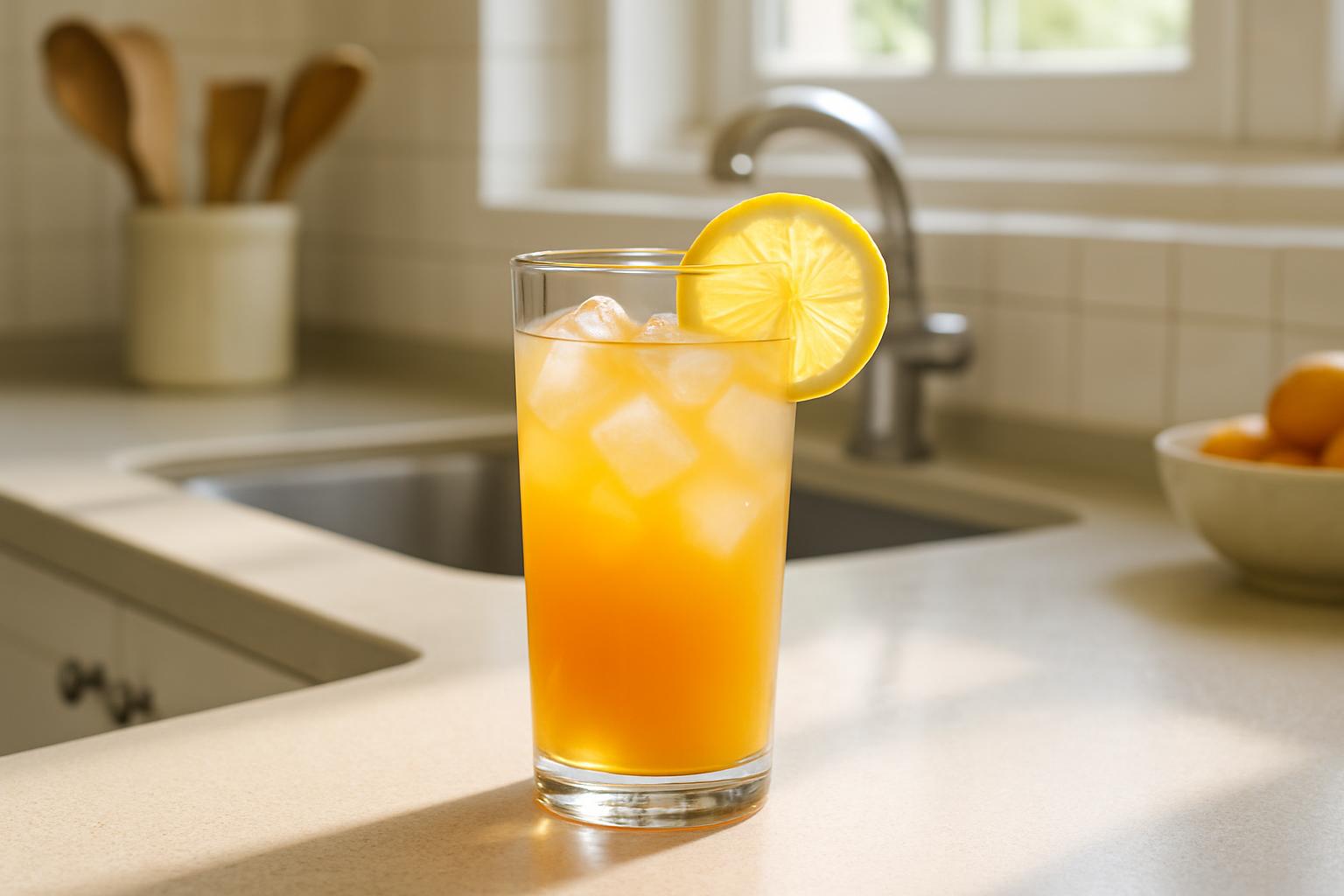
Orange juice, coconut water and a pinch of salt, stirred into a glass and sipped mid-afternoon: the cortisol cocktail (also called an adrenal cocktail) has become a social media staple, sold with promises of calmer nerves, steadier energy and “supported” adrenal glands. It tastes pleasant and looks wholesome. But does a juice-and-salt mocktail change your stress hormones? Here is what the ingredients do, what the evidence says and who should think twice before drinking it daily.
- A cortisol cocktail is typically orange juice, coconut water and salt, sometimes with magnesium or potassium powders, and it works much like a sports drink.
- Nutrition experts say there is no evidence it lowers cortisol, and Children’s Hospital of Philadelphia says there is no scientific proof of “adrenal fatigue,” the idea behind it.
- One expert estimate puts a serving at around 16 grams of sugar and about a quarter of the daily salt limit, which matters for people with diabetes, high blood pressure, heart disease or kidney disease.
- Verdict: mostly hype. It is a fine occasional drink for most healthy adults, not a hormone treatment.
What is in a cortisol cocktail?
Recipes vary, but most share the same core. A University of Wollongong expert describes the typical mix as orange juice, coconut water, salt, and sometimes magnesium or potassium powders. Case Western Reserve University nutritionist Lindsay Malone similarly describes juice, coconut water and salt.
| Ingredient | What it adds | The claim online |
|---|---|---|
| Orange juice | Vitamin C, natural sugar | “Feeds” the adrenals |
| Coconut water | Potassium, some sugar | Rebalances electrolytes |
| Salt | Sodium | Supports “adrenal function” |
| Magnesium powder (optional) | Magnesium | Calms the nervous system |
Does a cortisol cocktail lower cortisol?
No evidence says it does. Malone states that there is no evidence it lowers cortisol, though the ingredients can hydrate and provide electrolytes, similar to sports drinks. The Wollongong expert agrees that the drink is unlikely to meaningfully lower your cortisol levels.
There is one small nuance. A Superpower guide that summarizes the research says vitamin C may modestly blunt cortisol responses to acute stress, but effects are small and depend on context, and baseline cortisol is not affected. That is a long way from “balancing your hormones” with a juice drink.
Cortisol is also not a villain. The Wollongong expert points out that we could not live without it: it raises blood glucose for energy, helps regulate metabolism and reduces inflammation. Many symptoms blamed on high cortisol, such as weight gain and tiredness, can actually be linked to low cortisol.
Is adrenal fatigue real?
The theory behind the drink is “adrenal fatigue,” the idea that chronic stress wears out your adrenal glands. Children’s Hospital of Philadelphia says there is no scientific proof that stress can fatigue your adrenal glands. A systematic review titled “Adrenal fatigue does not exist” is referenced in the same article.
The bigger concern is what gets missed. The CHOP article warns that supplements could mask conditions such as thyroid disease, depression or sleep apnea, and it notes that real damage to the endocrine system is serious and needs a physician. Persistent fatigue deserves a proper checkup, not a recipe.
Who should be careful with a cortisol cocktail?
For a healthy adult, an occasional glass is unlikely to cause harm. But the Wollongong expert notes the drink contains around 16 grams of sugar and roughly one quarter of the recommended daily salt limit, and calls it unsuitable for people with diabetes, hypertension, heart disease or kidney disease because of the sugar, sodium and potassium load. Specifically:
- Diabetes or prediabetes: the juice base adds sugar with little fiber.
- High blood pressure or heart disease: added salt works against most diet advice for these conditions.
- Kidney disease: potassium from coconut water or powders can build up when kidneys do not clear it well.
- Blood pressure or potassium-affecting medicines: ask a pharmacist before making it a daily habit.
Cortisol cocktail packets, powders and “no orange juice” versions
Ready-made packets and powders are now a common search, and so are versions without orange juice. Packets often repackage the same idea in a powder: some sodium, potassium, vitamin C and sometimes magnesium. Before buying, check the label for how much sodium, potassium and magnesium each serving contains, and remember that a product claiming to “balance cortisol” is making a claim the evidence above does not support.
Dropping the juice cuts sugar, but it also removes the vitamin C and flavor that make the drink appealing. If you simply want a refreshing drink, plain water with a squeeze of lemon also hydrates. If magnesium is the draw, our guide to magnesium for sleep explains what is known and what is not.
Does it help with weight loss or energy?
Social posts also link the drink to weight loss and fewer cravings, but none of the experts quoted above support that claim. Malone’s comparison to sports drinks is the useful one: it provides fluid, sugar and electrolytes, which can feel good in the afternoon or after sweating, but it is not a weight-management tool. Timing does not change that. Whether you drink it in the morning or the afternoon, the evidence is the same.
What actually helps with stress and fatigue
The Wollongong expert cites research suggesting that mindfulness, meditation and relaxation were the best ways to lower high cortisol, and notes that whole foods supply nutrients without the extra sugar and sodium. Sleep matters too. Our guide to how much sleep you need by age is a good first check if you feel drained every afternoon.
See a healthcare provider if fatigue lasts for weeks or comes with unexplained weight loss, dizziness when standing, muscle weakness, nausea or darkening of the skin. These can signal thyroid disease, anemia, sleep apnea, depression or a genuine adrenal disorder, all of which need real testing. If you have kidney disease, heart disease, diabetes or high blood pressure, or take regular medicines, ask your clinician before adding salt, potassium or magnesium drinks. Seek emergency care for chest pain, a racing or irregular heartbeat, or fainting.
The verdict
Mostly hype. The cortisol cocktail is a pleasant electrolyte drink, not a hormone treatment. There is no evidence that it lowers cortisol, and the condition it claims to fix, adrenal fatigue, is not supported by science. Healthy adults can enjoy one occasionally. People with diabetes, high blood pressure, heart or kidney disease should be cautious, and anyone with ongoing exhaustion should get checked.
Frequently asked questions
What does a cortisol cocktail do?
It hydrates and supplies sugar, sodium, potassium and vitamin C, like a sports drink. Experts quoted here say there is no evidence it lowers cortisol.
Is a cortisol cocktail safe to drink every day?
For healthy adults, an occasional glass is unlikely to cause harm, but daily use adds sugar and salt. Those with diabetes, hypertension, heart or kidney disease should talk to a clinician first.
Does a cortisol cocktail help with weight loss?
No evidence supports that claim. The drink contains calories and sugar, and none of the experts cited recommend it for weight loss.
Are cortisol cocktail packets worth it?
They offer convenience, not proven benefits. Check sodium, potassium and magnesium amounts on the label and be skeptical of cortisol-balancing claims.
What reduces cortisol quickly?
Cortisol naturally rises and falls through the day and does not need “lowering” in most people. Research cited by the Wollongong expert favors mindfulness, meditation and relaxation for high cortisol.
Sources
- University of Wollongong, Could a cortisol cocktail really reduce stress and boost energy?
- Case Western Reserve University, Nutritionist Lindsay Malone says there is no evidence viral cortisol cocktail lowers cortisol
- Children’s Hospital of Philadelphia, Adrenal Fatigue
- Superpower, Cortisol Drink Trend: Does It Actually Work?
Save this guide for later on Pinterest