Last updated:
“Eight hours a night” is the rule most of us grew up with, but the real answer to how much sleep you need depends on your age. A newborn needs about twice as much as a parent, and a teenager needs more than you might think. Here is what the CDC and the American Academy of Sleep Medicine (AASM) actually recommend, plus the signs that you’re running short.
- The CDC recommends 7 or more hours for adults 18-60, 7-9 hours for ages 61-64, and 7-8 hours for adults 65 and older.
- Children need far more: 9-12 hours for school-age kids and 8-10 hours for teens.
- About 30.5% of US adults averaged less than 7 hours of sleep in 2024, according to CDC survey data.
- Daytime sleepiness, trouble focusing, irritability and drowsy driving are common signs you aren’t getting enough.
Recommended sleep by age
The CDC’s sleep recommendations are based on guidance from the AASM and the Sleep Research Society. Hours include naps for younger children, as noted.
| Age group | Ages | Recommended sleep per day |
|---|---|---|
| Newborn | 0-3 months | 14-17 hours |
| Infant | 4-12 months | 12-16 hours, including naps |
| Toddler | 1-2 years | 11-14 hours, including naps |
| Preschool | 3-5 years | 10-13 hours, including naps |
| School age | 6-12 years | 9-12 hours |
| Teen | 13-17 years | 8-10 hours |
| Adult | 18-60 years | 7 or more hours |
| Adult | 61-64 years | 7-9 hours |
| Adult | 65+ years | 7-8 hours |
Notice that the adult recommendation is a floor, not a target. Some people genuinely feel best at 8 or 9 hours.
What the AASM says about adults
In a joint consensus statement, the AASM and Sleep Research Society concluded that adults should sleep seven or more hours per night to avoid the health risks of chronic inadequate sleep. The panel judged that regularly sleeping six hours or less is not enough for adult health and safety.
Interestingly, the experts did not set an upper limit. They noted that sleeping more than nine hours regularly may be appropriate for young adults, people catching up on sleep debt and people who are ill. They also stressed that duration is only one piece: timing, consistency and quality matter, and sleep disorders can undermine even a long night in bed.
Why kids and teens need more
Children’s bodies and brains are growing rapidly, which is reflected in the much higher numbers in the table. School-age children need 9 to 12 hours, and teens still need 8 to 10, yet early school start times and evening screen use often cut into that.
Sleep loss can look different in kids. The National Heart, Lung, and Blood Institute notes that children who don’t get enough sleep may be overly active, have trouble paying attention, misbehave or do worse in school, rather than seeming obviously tired. A child who is “bouncing off the walls” at bedtime may actually be overtired.
Practical tips for families
- Work backward from wake-up time to set a realistic bedtime that fits the recommended range.
- Keep the same schedule on weekends as much as possible.
- Move phones, tablets and gaming devices out of the bedroom at night.
How many Americans fall short
Insufficient sleep is common. A National Center for Health Statistics data brief found that in 2024, 30.5% of adults averaged less than 7 hours of sleep in a 24-hour period.
Some groups are hit harder. Using 2022 survey data, the CDC reports the share of adults not getting enough sleep was highest among men (37%), adults ages 45 to 64 (39%) and Native Hawaiian or Pacific Islander adults (49%). By state, it ranged from 30% in Vermont to 46% in Hawaii. (The two CDC figures come from different surveys and years, so they aren’t directly comparable.)
Signs you’re not getting enough sleep
You don’t need a sleep tracker to notice a shortfall. Watch for these patterns, drawn from NHLBI and the Sleep Foundation:
- Hard mornings: you rely on multiple alarms and don’t feel refreshed after waking.
- Daytime sleepiness: nodding off in meetings, on the couch or as a passenger. NHLBI notes that nearly 40% of adults report falling asleep during the day without meaning to at least once a month.
- Brain fog: trouble learning, focusing and reacting.
- Mood changes: feeling frustrated, cranky or worried, and having a harder time reading other people’s emotions.
- Weekend catch-up: sleeping much longer on days off is a clue you’re building sleep debt during the week.
- Drowsy driving: frequent yawning, heavy eyelids, drifting between lanes or missing your exit are warning signs to pull over.
What chronic short sleep does to your health
Feeling tired is the obvious cost, but the bigger concern is long-term. NHLBI links sleep deficiency to heart disease, kidney disease, high blood pressure, diabetes, stroke, obesity and depression. It also raises the risk of injuries, including car crashes and, in older adults, falls and broken bones.
On the positive side, the CDC says getting enough sleep can help you get sick less often, maintain a healthy weight, lower stress, improve mood and support heart health and metabolism. Rest also matters for your mental state; our article on how rest helps your mind explores that connection.
How to get more (and better) sleep
Small, consistent changes usually beat dramatic overhauls:
- Keep a steady schedule. Going to bed and waking at the same time daily anchors your body clock.
- Protect the last hour. Dim lights and put screens away, and keep the bedroom cool, dark and quiet.
- Watch caffeine and alcohol. Late-day coffee and evening drinks can fragment sleep.
- Move during the day. Regular physical activity supports better sleep for many people.
- Add time gradually. Try moving bedtime 15 minutes earlier each week until you’re in the recommended range.
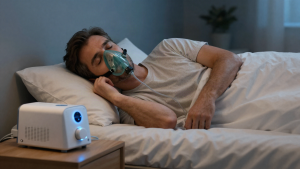
If you’re getting enough hours but still waking exhausted, the problem may be quality rather than quantity. Loud snoring, gasping or pauses in breathing can point to sleep apnea; our guide to sleep apnea signs and treatment explains what to look for.
Talk to a health care provider if you regularly feel sleepy during the day despite spending 7 or more hours in bed, have trouble falling or staying asleep most nights for weeks, snore loudly or stop breathing during sleep, or have nearly fallen asleep while driving. For children, mention persistent snoring, unusual daytime behavior or falling grades to their pediatrician.
Frequently asked questions
Is 6 hours of sleep enough for an adult?
For most adults, no. The AASM and Sleep Research Society concluded that regularly sleeping six hours or less is inadequate for health and safety.
Can you sleep too much?
The AASM panel did not set an upper limit and said more than nine hours may be appropriate for some people. However, suddenly needing much more sleep than usual can be a sign of an underlying problem worth discussing with a doctor.
Do older adults need less sleep?
Slightly different ranges apply: the CDC recommends 7-9 hours for ages 61-64 and 7-8 hours for adults 65 and older. Older adults still need at least 7 hours.
Do naps count toward total sleep?
For infants, toddlers and preschoolers, the CDC’s recommended hours include naps. For adults, short naps can help with alertness but shouldn’t replace a full night’s sleep.
Can I catch up on sleep over the weekend?
Extra sleep can help you recover from a short night, but relying on weekends to make up a weekly deficit is a sign your weekday schedule needs adjusting.
Sources
- CDC, About Sleep
- American Academy of Sleep Medicine, Seven or more hours of sleep per night: A health necessity for adults
- CDC NCHS, Short Sleep Duration and Sleep Difficulties Among Adults: United States, 2024
- CDC, FastStats: Adults Sleep Facts and Stats
- NHLBI, Sleep Deprivation and Deficiency
Save this guide for later on Pinterest