Last updated:
A warm cup of herbal tea is one of the easiest habits to love, and the list of herbal tea benefits online is long. The research is more modest than the marketing, though, and a few popular teas carry real cautions for people on medication or who are pregnant. This guide sorts what studies and health agencies actually say about the best herbal teas, and answers a question many people skip: are herbal teas safe?
- Research on herbal teas is limited: a scoping review found only a small number of clinical studies on their efficacy and safety.
- Ginger has the best support for nausea in pregnancy, and peppermint tea appears safe, but chamomile and hibiscus claims are less firmly established.
- Herbal teas can interact with medicines such as blood thinners, and some are best avoided in pregnancy.
- Tea is a pleasant drink, not a treatment, and it should not replace medical care.
What research says about herbal tea benefits
Herbal teas are made from leaves, flowers, roots or seeds of plants other than the tea plant. A scoping review of herbal teas (published in the journal literature and indexed in PubMed) analyzed 21 studies covering plants such as chamomile, hibiscus, lavender, fenugreek, spearmint and yerba mate, in areas like female health, diabetes, heart disease and weight loss. The authors concluded that, despite the popularity of herbal teas, the number of articles exploring clinical efficacy and safety is small.
In other words, a tea may be enjoyable and low-risk, yet strong proof that drinking it improves a health condition is often missing. Treat claims about “detoxing” or fast weight loss with particular suspicion.
The best herbal teas, one by one
Ginger tea
The National Center for Complementary and Integrative Health (NCCIH) reports that research shows ginger may help with nausea and vomiting associated with pregnancy. Most studies of ginger for motion sickness have not shown it to be helpful, and it is uncertain for nausea after chemotherapy or surgery. Side effects can include abdominal discomfort, heartburn and diarrhea.
Peppermint tea
NCCIH says peppermint tea, made from peppermint leaves, appears to be safe, though the long-term safety of consuming large amounts of peppermint leaf is unknown. Evidence for improved irritable bowel syndrome symptoms is for peppermint oil, not tea. Cleveland Clinic adds that peppermint tea can worsen acid reflux for some people.
Chamomile tea
NCCIH notes that some preliminary studies suggest a chamomile dietary supplement might help generalized anxiety disorder, but there is very little information on its effect on insomnia. Side effects are uncommon, yet allergic reactions can occur, especially in people allergic to ragweed, chrysanthemums, marigolds or daisies.
Hibiscus tea
Cleveland Clinic states that studies show hibiscus can help lower blood pressure and LDL cholesterol. Because the overall evidence base for herbal teas is small, treat this as a possible modest effect. It is also a reason to tell your doctor if you drink a lot of it while taking blood pressure medicine.
| Tea | What research suggests | Main caution |
|---|---|---|
| Ginger | May help pregnancy-related nausea | Heartburn, diarrhea, stomach discomfort |
| Peppermint | Appears safe; IBS evidence is for the oil | Can worsen acid reflux |
| Chamomile | Preliminary data on anxiety (supplement form) | Allergy; interactions; pregnancy unclear |
| Hibiscus | May modestly lower blood pressure and LDL | Possible effect on blood pressure medicine |
Are herbal teas safe? Drug interactions
Natural does not mean interaction-free. Cleveland Clinic warns that some teas may interact poorly with certain medications, like blood thinners, blood pressure medications or antidepressants. NCCIH reports that interactions between chamomile and warfarin, and with some drugs processed by the liver, have been reported, and its provider guidance notes that chamomile may reduce the effectiveness of oral contraceptives. Its summary on herb-drug interactions also reminds readers that short-term safety does not guarantee long-term safety.
If you take any prescription medicine, bring your tea habit to your next appointment, especially if you drink several cups a day or use concentrated or “medicinal” blends.
Herbal tea during pregnancy
Pregnancy is where tea choices matter most, and the evidence is thin. A review of herbal teas used in pregnancy found that peppermint appeared safe in moderate amounts and ginger was effective for nausea, although some adverse outcomes were reported in studies. It flagged chamomile, fennel and raspberry leaf as needing caution and noted that, for most herbs, there are no clinical trials proving safety. NCCIH likewise says little is known about whether chamomile is safe in pregnancy or while breastfeeding.
Cleveland Clinic advises that some teas, especially herbal ones like licorice root or detox blends, are best avoided during pregnancy. Ask your obstetric provider before drinking any herbal tea regularly.
Where Ayurveda fits in
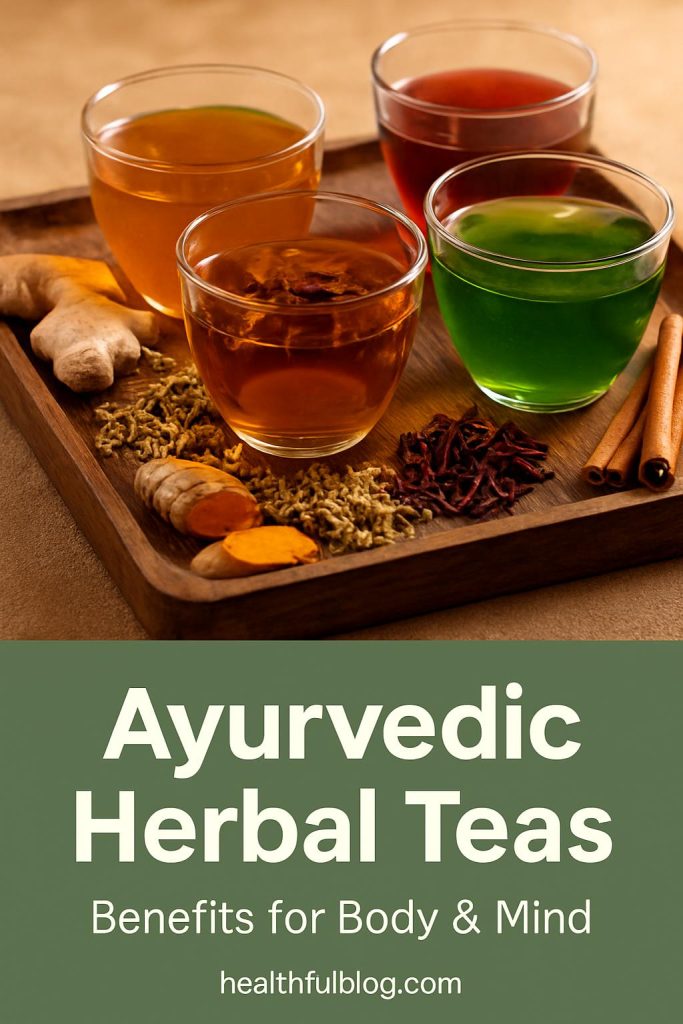
Many herbal tea blends are marketed as “Ayurvedic.” NCCIH describes Ayurveda as a medical system that originated in India several thousand years ago, with a holistic approach that aims to integrate and balance the body, mind and spirit. That is background and tradition, not clinical proof that a given blend works. NCCIH’s definition page also states that describing a practice does not reflect an endorsement of it. Judge any blend by its ingredients and the evidence on each one, not by its tradition.
How to choose and enjoy herbal tea sensibly
- Pick single-ingredient teas first so you know what you are drinking.
- Be wary of blends with vague names, “detox” claims or long ingredient lists.
- Start with one cup and see how you feel, particularly with ginger and peppermint.
- Do not rely on tea for blood pressure, anxiety or sleep problems that need care.
See a doctor or pharmacist before regularly drinking herbal tea if you take blood thinners, blood pressure drugs, antidepressants or birth control, or if you are pregnant or breastfeeding. Seek care for hives, swelling, trouble breathing, persistent heartburn, ongoing nausea, or anxiety, poor sleep or high blood pressure that does not improve.
Frequently asked questions
What are the best herbal teas for health?
There is no single best tea. Ginger and peppermint have the clearest support for digestive comfort, while chamomile and hibiscus have more preliminary evidence.
Are herbal teas safe to drink every day?
Many are fine in ordinary amounts, but long-term safety of large amounts is unknown for some, such as peppermint leaf. Medicines and pregnancy change the picture.
Can herbal tea help with weight loss?
The scoping review found that clinical studies on herbal teas are few, so strong claims are not supported. Treat weight-loss tea claims with caution and talk to a clinician about proven approaches.
Is chamomile tea safe in pregnancy?
NCCIH says little is known, and a pregnancy review urged caution. Ask your provider first.
Is Ayurvedic tea proven to work?
NCCIH presents Ayurveda as a traditional system. Individual herbs may or may not have evidence, so check each ingredient.
Sources
- NCCIH, Chamomile: Usefulness and Safety
- NCCIH, Ginger: Usefulness and Safety
- NCCIH, Peppermint Oil: Usefulness and Safety
- Cleveland Clinic, Is Drinking Tea Good for You?
- PubMed Central, Frequently Used Herbal Teas During Pregnancy
Save this guide for later on Pinterest