Last updated:
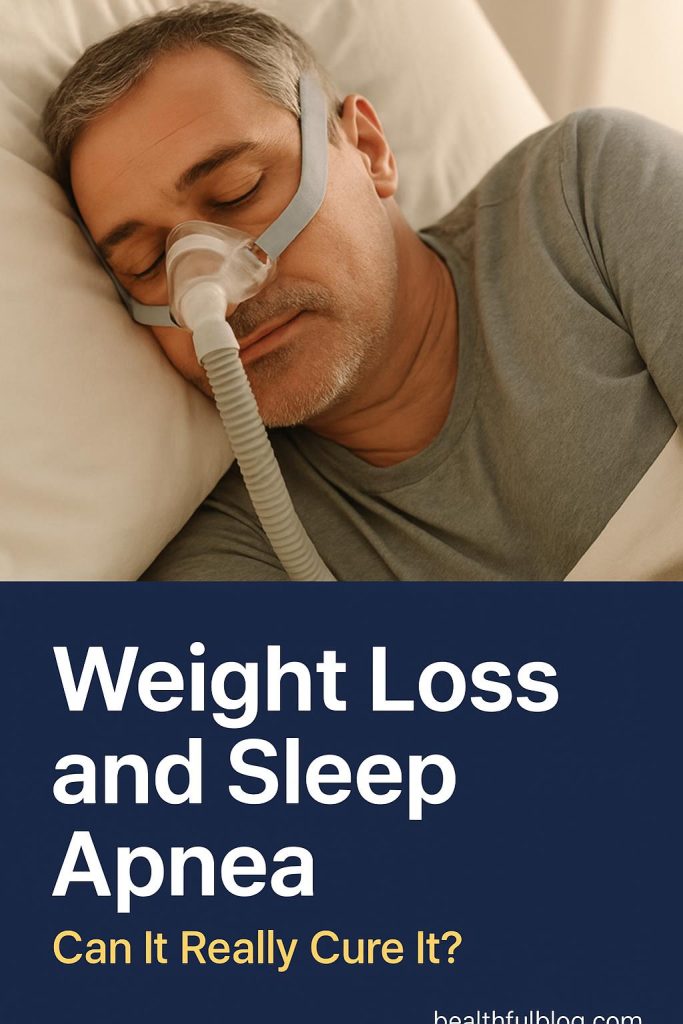
If you’ve been diagnosed with obstructive sleep apnea and carry extra weight, you’ve probably heard that losing weight could fix it. With a weight-loss drug now approved for sleep apnea, that question feels more urgent than ever. The honest answer: weight loss can substantially improve sleep apnea for many people, but it doesn’t reliably cure it, and stopping other treatment too soon can be risky.
- A long-running study found a 10% weight loss predicted about a 26% drop in breathing disruptions per hour of sleep.
- In the SURMOUNT-OSA trials, tirzepatide cut apnea events by about 55% to 63%, and 43% to 52% of participants met criteria for disease resolution.
- Many people still need treatment after weight loss, though symptoms are often milder.
- Don’t stop CPAP or other therapy without a follow-up sleep evaluation.
How weight affects obstructive sleep apnea
In obstructive sleep apnea (OSA), the airway repeatedly narrows or closes during sleep, causing pauses in breathing. Excess weight can add to that narrowing. Mayo Clinic notes that even moderate weight loss may help relieve narrowing of the airway and might reduce daytime sleepiness.
But weight is only one factor. The structure of your jaw, throat and nose also shapes how easily your airway collapses. That’s why people at a healthy weight can have sleep apnea, and why losing weight doesn’t fix it for everyone.
What long-term research shows about weight change
One of the most cited studies comes from the Wisconsin Sleep Cohort, published in JAMA in 2000. Researchers followed 690 employed adults with a mean age of 46, evaluating them at four-year intervals. According to the study abstract:
- A 10% weight gain predicted about a 32% increase in the apnea-hypopnea index (AHI), the number of breathing disruptions per hour of sleep.
- A 10% weight loss predicted about a 26% decrease in AHI.
- A 10% weight increase predicted a roughly 6-fold increase in the odds of developing moderate-to-severe sleep-disordered breathing.
The takeaway cuts both ways. Weight loss helps, but a 26% drop in AHI may not be enough to bring someone with severe apnea into the normal range. Avoiding weight gain matters too.
The new evidence: weight-loss medication for sleep apnea
On December 20, 2024, the FDA approved Zepbound (tirzepatide) as the first medication for moderate to severe OSA in adults with obesity, to be used with a reduced-calorie diet and increased physical activity. The approval was based on two 52-week trials in 469 adults without type 2 diabetes.
Results from the SURMOUNT-OSA trials, published in the New England Journal of Medicine and reported by Eli Lilly via BioSpace:
| Trial group | Change in AHI | Weight change | Met disease-resolution criteria |
|---|---|---|---|
| Study 1 (not using PAP), tirzepatide | -27.4 events/hour (-55.0%) | -18.1% | 43.0% |
| Study 1, placebo | -4.8 events/hour (-5.0%) | -1.3% | 14.9% |
| Study 2 (using PAP), tirzepatide | -30.4 events/hour (-62.8%) | -20.1% | 51.5% |
| Study 2, placebo | -6.0 events/hour (-6.4%) | -2.3% | 13.6% |
“Resolution” in these trials meant an AHI under 5, or an AHI of 5 to 14 with low daytime sleepiness scores. Read the numbers closely: even with average weight loss of roughly 18% to 20%, about half or more of participants on the drug did not reach that threshold. Results are averages, and individual responses vary.
Side effects and cautions
The FDA lists common side effects including nausea, diarrhea, vomiting, constipation, abdominal pain, injection-site reactions and fatigue. Zepbound shouldn’t be used by people with a personal or family history of medullary thyroid cancer or Multiple Endocrine Neoplasia syndrome type 2. The FDA also notes warnings about pancreatitis, gallbladder problems and kidney injury. Whether this medicine is appropriate is a decision to make with your doctor.
Other routes to weight loss
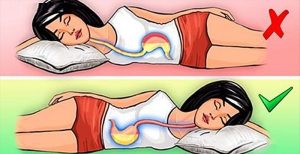
Medication isn’t the only path. The National Heart, Lung, and Blood Institute (NHLBI) lists lifestyle changes as part of sleep apnea care, including regular physical activity, maintaining a healthy weight, limiting alcohol, quitting smoking and sleeping on your side. A balanced eating pattern is the foundation; our guide to essential facts for a good diet covers the basics.
NHLBI also lists bariatric surgery as an option if obesity contributes to sleep apnea and other treatments do not work. As with any approach, your sleep team will want to reassess your apnea afterward.
Why weight loss often doesn’t fully cure sleep apnea
Mayo Clinic is direct about it: some people still need treatment for OSA after losing weight, although symptoms are usually milder. It advises continuing to work with your healthcare professional even after substantial weight loss so you don’t miss needed treatment.
Several reasons explain this:
- Anatomy: Features like jaw structure or nasal obstruction don’t change with weight.
- Starting severity: Someone with a very high AHI may improve a lot and still have significant apnea.
- Weight regain: In the Wisconsin data, weight gain was linked to a higher AHI.
What to do while you’re losing weight
Keep using your prescribed therapy while you work on weight. Notably, the second SURMOUNT-OSA study tested tirzepatide in people who stayed on PAP therapy.
- Stay on CPAP or your oral appliance unless your sleep doctor says otherwise. If cost is a barrier, see how Medicare covers CPAP machines.
- Report changes. Tell your sleep team if your mask fit, comfort or symptoms change as you lose weight.
- Ask about retesting after significant weight loss to see whether your treatment plan should change.
- Know your other options. NHLBI lists hypoglossal nerve stimulation among surgical options; read more about the Inspire implant.
Talk to your sleep specialist before stopping or changing CPAP or any sleep apnea treatment, even if you’ve lost weight and feel better. Seek care if you notice returning snoring, gasping, morning headaches or daytime sleepiness, or if you’re considering weight-loss medication or surgery. Your clinician can decide whether a repeat sleep study is needed to see how your apnea has changed.
Frequently asked questions
How much weight do I need to lose to improve sleep apnea?
There’s no single number. In the Wisconsin Sleep Cohort, a 10% weight loss predicted about a 26% drop in AHI on average. Your sleep doctor can track how your numbers change.
Can I stop using CPAP if I lose weight?
Not on your own. Mayo Clinic notes some people still need treatment after weight loss, so check with your sleep specialist before making changes.
Is Zepbound approved for sleep apnea?
Yes. The FDA approved it in December 2024 for moderate to severe OSA in adults with obesity, alongside a reduced-calorie diet and increased physical activity.
Can thin people have sleep apnea?
Yes. Airway structure and other factors besides weight can contribute to OSA.
Will sleep apnea come back if I regain weight?
It can worsen. Research shows weight gain is linked to higher AHI and higher odds of moderate-to-severe sleep-disordered breathing.
Sources
- FDA, FDA approves first medication for obstructive sleep apnea
- BioSpace (Eli Lilly), Tirzepatide reduced OSA severity in SURMOUNT-OSA
- JAMA via Read by QxMD, Longitudinal study of moderate weight change and sleep-disordered breathing
- Mayo Clinic, Obstructive sleep apnea: diagnosis and treatment
- NHLBI, Sleep apnea treatment
Save this guide for later on Pinterest