Last updated:
You spend hours in bed every night, so the way you lie in bed can either ease or aggravate aches, snoring and breathing problems. There’s no single best sleeping position for everyone, but there are smart choices for specific issues. Here’s how to position your body and pillows for back pain, neck pain, snoring and sleep apnea.
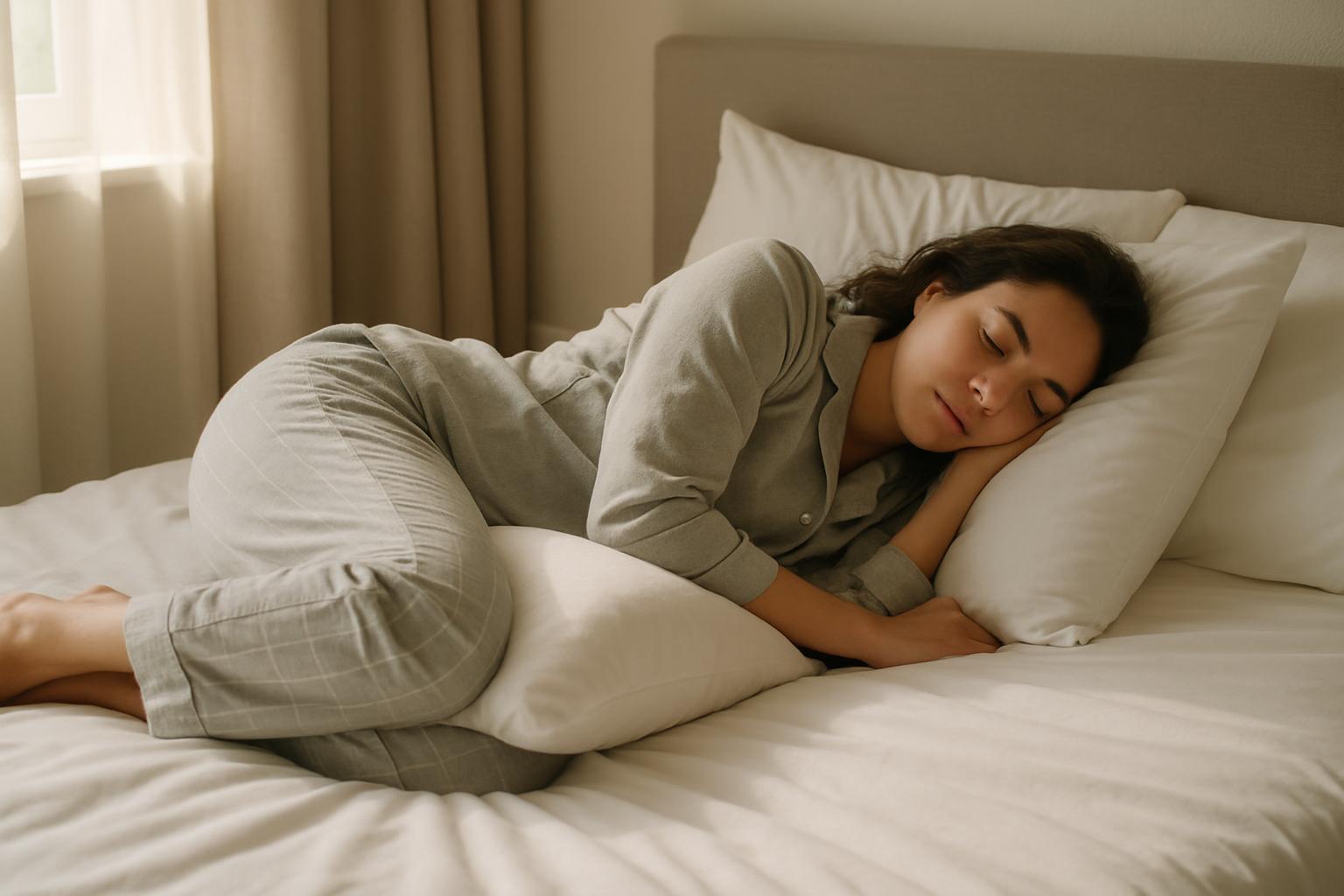
- For back pain, sleep on your side with a pillow between your knees or on your back with a pillow under your knees.
- For neck pain, back and side sleeping are easiest; choose a pillow that keeps your neck in line with your spine.
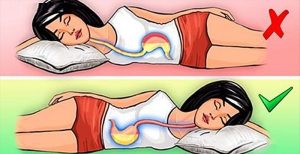
- For snoring and sleep apnea, side sleeping helps keep the tongue from falling back and narrowing the airway.
- Stomach sleeping strains the back and neck and is generally not recommended.
Why sleeping position matters
When you sleep, your muscles relax and gravity takes over. A position that twists your spine, cranks your neck to one side or lets your tongue slide toward your throat can leave you stiff, sore or snoring. According to Cleveland Clinic, there’s no universal best position; what works depends on your comfort and your health conditions. Pillows are the secret weapon, because they let you fine-tune almost any position.
Sleep and pain also feed each other. Harvard Health describes a study of 4,140 healthy people in which those with moderate to severe sleep problems in at least three of four categories were significantly more likely to develop chronic musculoskeletal pain a year later.
Quick guide: best positions by problem
| Problem | Best position | Pillow tip | Avoid |
|---|---|---|---|
| Low back pain | Side with knees slightly bent, or back | Pillow between knees (side) or under knees (back) | Stomach sleeping without support |
| Neck pain | Back or side | Pillow that keeps neck aligned with chest and back | Stomach sleeping; pillows that are too high or stiff |
| Snoring | Side | Raise head of bed about 4 inches | Back sleeping |
| Sleep apnea | Side, alongside prescribed treatment | Positional aids if recommended | Relying on position alone without diagnosis |
Best sleeping positions for back pain
On your side with a pillow between your knees
Mayo Clinic suggests drawing your legs up slightly toward your chest and placing a pillow between your legs. This helps keep your spine, pelvis and hips aligned and takes pressure off your back. A full-length body pillow is another option if you like something to hug.
On your back with a pillow under your knees
A pillow under your knees helps relax back muscles and maintain the natural curve of your lower back, according to Mayo Clinic. Add a neck pillow that keeps your neck in line with your chest and back. If you still feel a gap, a small rolled towel under your waist can add support. Cleveland Clinic notes back sleeping is often the most comfortable choice for people with back and neck pain.
If you can only sleep on your stomach
Stomach sleeping strains the back, but if it’s the only way you can fall asleep, Mayo Clinic recommends a pillow under your hips and lower abdomen. Use a head pillow only if it doesn’t add strain to your back, or skip it.
Daytime habits matter too. Regular movement and strength work can make nights more comfortable; our guide to avoiding wear and tear and improving joint health covers practical steps.
Best sleeping positions for neck pain
Harvard Health says back and side sleeping are easiest on the neck. Stomach sleeping is the troublemaker because it arches your back and keeps your neck turned to one side for hours.
Back sleepers
Harvard Health suggests a rounded pillow to support the natural curve of your neck with a flatter pillow cushioning your head. You can tuck a small neck roll into the pillowcase of a flatter pillow or use a specially shaped cervical pillow.
Side sleepers
Use a pillow that is higher under your neck than under your head so your spine stays straight. If your pillow is too high or too stiff, your neck stays flexed all night, which can lead to morning pain.
Choosing a pillow
Feather pillows conform easily to the neck but, per Harvard Health, should be replaced every year. Memory foam pillows conform to the head and neck and are marketed to support spinal alignment. For travel, a horseshoe-shaped pillow can help, as long as it isn’t so thick behind the neck that it pushes your head forward.
Side sleepers sometimes trade neck pain for shoulder or arm numbness. Our article on why you should never sleep on your right arm explains how to avoid it.
Best sleeping position for snoring
Side sleeping is the go-to position for snorers. Mayo Clinic explains that lying on your back allows your tongue to fall backward into your throat, narrowing the airway. Its tips include:
- Sew a tennis ball into the back of a pajama top so rolling onto your back is uncomfortable.
- Raise the head of your bed by about 4 inches.
- Avoid alcohol for at least two hours before bed.
Positional products vary in how well they work. Harvard Health describes a review in which vests with inflatable chambers cut snoring rates by more than half in people whose snoring depended on position, and wedge pillows also reduced snoring, while wearable alarm devices didn’t significantly help.
Best sleeping position for sleep apnea
For obstructive sleep apnea (OSA), Cleveland Clinic says side sleeping can help because back sleeping lets the tongue flop backward and further compromise the upper airway. In some people, changing position may reduce severity or even resolve symptoms. The National Heart, Lung, and Blood Institute also lists side sleeping among the lifestyle changes that can help keep the airway open.
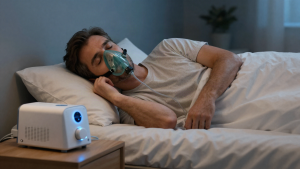
Position alone isn’t a substitute for diagnosis and treatment. If you have sleep apnea, keep using CPAP or an oral appliance as prescribed, and ask your doctor whether positional therapy could be added. Learn more in our guide to sleep apnea signs and treatment.
Other situations: reflux and pregnancy
Cleveland Clinic notes that sleeping propped up on an incline can help with acid reflux, since gravity helps keep stomach acid down. During pregnancy, side sleeping is recommended to avoid pressure on major blood vessels. The left side is often described as ideal for blood flow, though most providers say either side is fine.
How to change your sleeping position
Old habits are hard to break, especially while you’re unconscious. A few tricks can help:
- Build a pillow wall. A body pillow behind your back makes rolling over harder.
- Start the night right. Fall asleep in your target position, even if you drift later.
- Be patient. Expect a few weeks before a new position feels natural.
- Adjust your pillows, not just your body. A small tweak in height or knee support often makes the biggest difference.
See a doctor if back or neck pain lasts more than a few weeks, keeps you awake, or comes with numbness, tingling, weakness, fever or unexplained weight loss. Get medical help right away for back pain with loss of bladder or bowel control. Talk to a doctor about a sleep evaluation if you snore loudly, someone notices pauses in your breathing, or you’re very sleepy during the day.
Frequently asked questions
What is the healthiest sleeping position?
There’s no single best position for everyone. Side and back sleeping work well for most people, while stomach sleeping tends to strain the back and neck.
Is sleeping on your back bad for sleep apnea?
It can make it worse for many people, because the tongue can fall backward and narrow the airway. Side sleeping is generally better.
Should I put a pillow between my knees?
If you sleep on your side and have back or hip discomfort, yes. Mayo Clinic says it helps align the spine, pelvis and hips.
How do I stop sleeping on my stomach?
Try a body pillow, fall asleep on your side and give it a few weeks. Until then, a pillow under your hips and lower abdomen reduces back strain.
What pillow is best for neck pain?
One that keeps your neck in line with your spine. Back sleepers often do well with a rounded neck pillow and flatter head support; side sleepers need more height under the neck.
Sources
- Mayo Clinic, Sleeping positions that reduce back pain
- Harvard Health, Say “good night” to neck pain
- Cleveland Clinic, What’s the best sleeping position?
- Mayo Clinic, Snoring: Diagnosis and treatment
- NHLBI, Sleep Apnea: Treatment
Save this guide for later on Pinterest