Last updated:
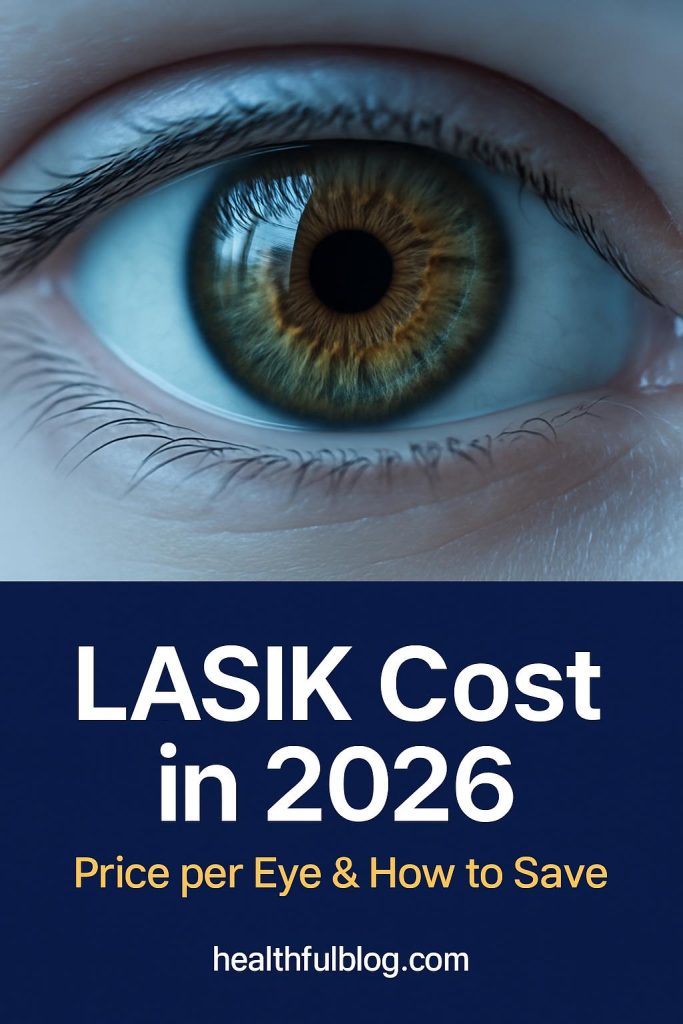
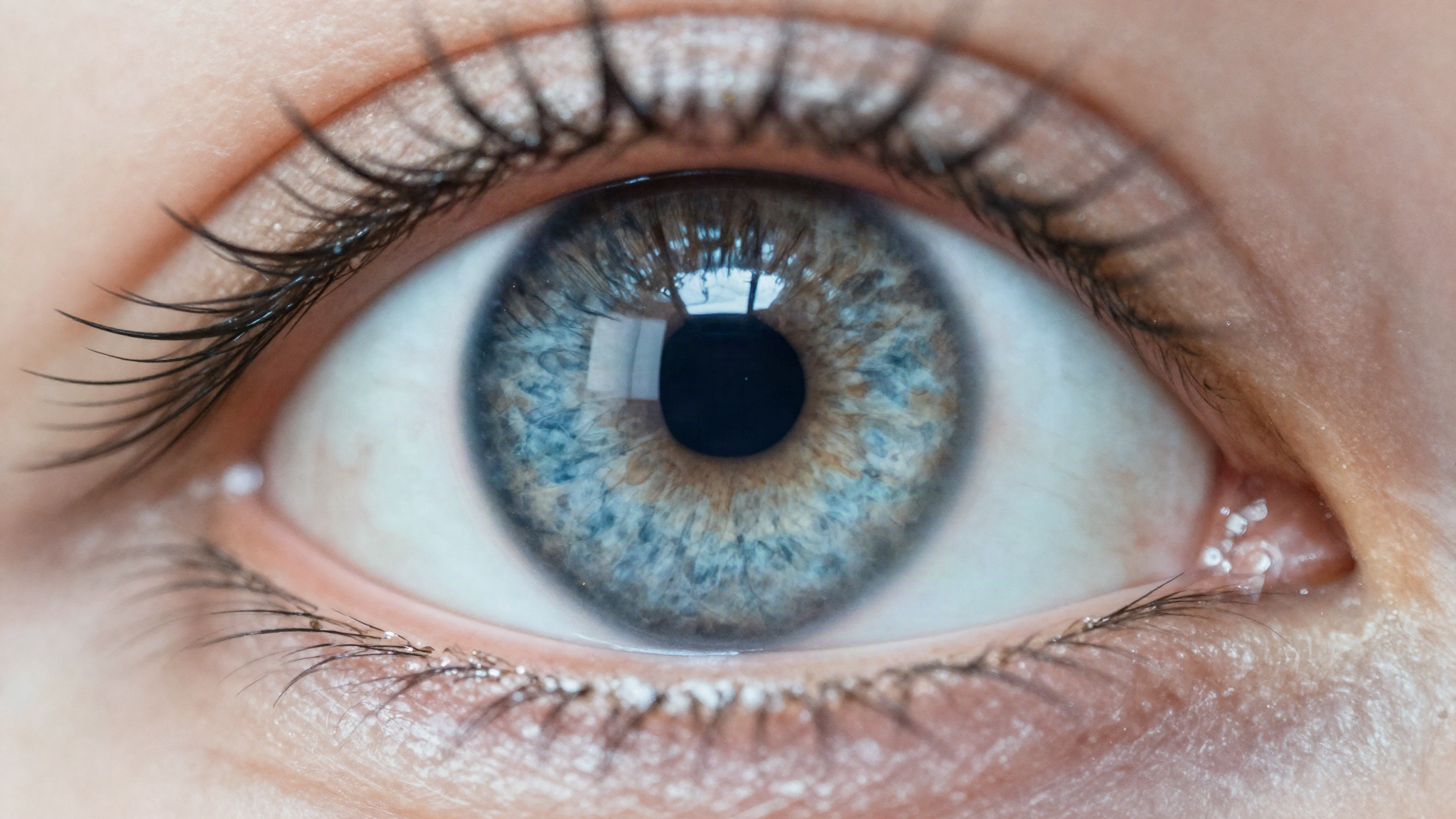
Imagine waking up and seeing the clock clearly without reaching for your glasses. That is the promise of LASIK, one of the most common elective surgeries in the United States. But the price you see on a billboard is rarely the price you pay. Advertised deals of a few hundred dollars per eye usually apply to a narrow group of patients, while most people are quoted several thousand. This guide explains what LASIK really costs in 2026, what is included, how to pay with pre-tax money and how to tell whether you are a good candidate.
- LASIK typically costs about $2,200 to $2,700 per eye; all-laser (bladeless) LASIK is often $2,495 to $2,895 per eye.
- For both eyes, most people pay roughly $4,400 to $5,800 in total.
- Health insurance and Medicare consider LASIK elective, but HSA and FSA funds can be used, and many vision plans offer discounts.
- Good candidates are generally 18 or older with a stable prescription for at least a year and healthy corneas.
How much does LASIK cost in 2026?
| Type of procedure | Typical price per eye | Notes |
|---|---|---|
| Traditional LASIK (microkeratome blade) | About $2,200 to $2,700 | Flap created with a precision blade |
| All-laser LASIK (femtosecond) | About $2,495 to $2,895 | Flap created with a laser |
| Pre-operative exam | $0 to $300 | Often free if you proceed |
| Post-operative care | $100 to $500 if not included | Usually several visits in the first year |
| Enhancement (touch-up) | Often included for a period | Check the length of the guarantee |
Price ranges based on figures compiled by All About Vision and U.S. eye centers in 2026. Your quote depends on your prescription, the technology used and your surgeon.
Why that “$299 per eye” ad is misleading
Very low advertised prices usually come with fine print. They typically apply only to mild prescriptions, may use older technology, and often exclude exams, follow-up care, medications and enhancements. Once your actual prescription is measured, the price commonly rises to the normal range. Compare quotes based on the total, all-inclusive price for both eyes.
What should be included in your quote
- The pre-operative evaluation, including corneal mapping and thickness measurements
- The surgery itself, surgeon and facility fees
- Prescription eye drops after surgery
- Follow-up visits, usually at one day, one week, one month and several months
- Enhancements if your vision is under- or over-corrected, and for how long
What drives the price up or down
- Technology. All-laser flaps and wavefront-guided or topography-guided treatments cost more but may improve precision for certain eyes.
- Surgeon experience. Highly experienced surgeons often charge more. With eye surgery, experience is worth paying for.
- Location. Prices tend to be higher in large cities.
- Prescription complexity. Astigmatism and higher prescriptions may cost more to treat.
Ways to pay less for LASIK
- Use HSA or FSA funds. LASIK is a qualified medical expense. If you have an FSA, plan your contribution for the year of surgery. Paying with pre-tax dollars can save you hundreds to over a thousand dollars.
- Check your vision plan. Many vision insurance plans offer LASIK discounts, often around 15 percent off standard pricing or a fixed reduced price at participating surgeons.
- Ask about employer, military or student discounts. Many centers offer them.
- Consider financing carefully. Zero-interest plans can help, but read the terms of deferred-interest medical credit cards.
- Do the math on glasses and contacts. Many people spend several hundred dollars a year on contacts, solutions and frames. Over 10 years, LASIK can approach or beat that cost.
The same pre-tax strategy works for other big-ticket health expenses; our guides to dental implant costs and hair transplant costs show how people combine HSA funds, financing and timing to lower the total.
Are you a good candidate for LASIK?
The U.S. Food and Drug Administration encourages patients to understand who is and is not a good candidate. LASIK may not be right for you if:
- You are under 18 or your prescription has changed within the past year
- You are pregnant or nursing, which can temporarily change your vision
- You have an autoimmune disease or a condition that affects healing
- You have thin or irregular corneas, or signs of keratoconus
- You have significant dry eye that has not been treated
- You take medications that affect healing, such as certain acne treatments
- You play contact sports where eye blows are common
A thorough screening is the most valuable part of the process. A trustworthy center will tell you when you are not a good candidate, even if it means losing a sale.
Risks and side effects
Most patients are very satisfied with their results, but LASIK is surgery and has risks. Common temporary effects include dry eyes, glare, halos around lights and fluctuating vision during the first weeks or months. Less commonly, people may be under- or over-corrected and need an enhancement, or experience persistent dry eye or night-vision problems. Serious complications that threaten vision are rare.
Also keep in mind that LASIK does not prevent presbyopia, the age-related loss of near focus that starts around 40. Many people who had LASIK in their 20s or 30s eventually need reading glasses.
LASIK alternatives
| Procedure | Who it suits |
|---|---|
| PRK | Thinner corneas or contact sports; no flap, but slower recovery |
| SMILE | Nearsightedness, with a small keyhole incision instead of a flap |
| Implantable collamer lens (ICL) | High prescriptions or thin corneas |
| Refractive lens exchange | Usually people over 40 to 50 with presbyopia |
What recovery looks like
The procedure itself takes about 10 to 15 minutes for both eyes. Most people notice clearer vision within a day and return to work in one to two days. You will use antibiotic and anti-inflammatory drops for about a week and lubricating drops for longer. Avoid rubbing your eyes, swimming and eye makeup for the period your surgeon recommends. A healthy diet supports eye health over the long term; our overview of daily vitamins and minerals covers vitamin A and other nutrients.
Before considering LASIK, get a complete eye exam from an ophthalmologist or optometrist. After surgery, contact your surgeon immediately if you have severe or worsening eye pain, a sudden decrease in vision, increasing redness, or discharge, which can signal infection or a flap problem. Also see an eye doctor for flashes of light, a curtain over your vision or a sudden shower of floaters, whether or not you have had surgery.
Frequently asked questions
Is LASIK covered by insurance?
Usually not, because it is considered elective. Some vision plans offer discounts, and HSA and FSA funds can be used.
Does Medicare cover LASIK?
No. Original Medicare does not cover LASIK. It does cover cataract surgery, which is a different procedure.
How long does LASIK last?
The correction to the cornea is permanent, but your eyes can still change with age, and presbyopia affects nearly everyone eventually.
Does LASIK hurt?
Numbing drops are used, so most people feel pressure rather than pain. Mild burning or grittiness for a few hours afterward is common.
What is the best age for LASIK?
Many good candidates are in their 20s and 30s with a stable prescription. People over 40 should discuss presbyopia and other options with their surgeon.
Sources
- FDA, LASIK: What Should I Expect Before, During and After Surgery?
- FDA, When Is LASIK Not for Me?
- American Academy of Ophthalmology, LASIK
- All About Vision, How Much Does LASIK Cost?
Save this guide for later on Pinterest