Last updated:
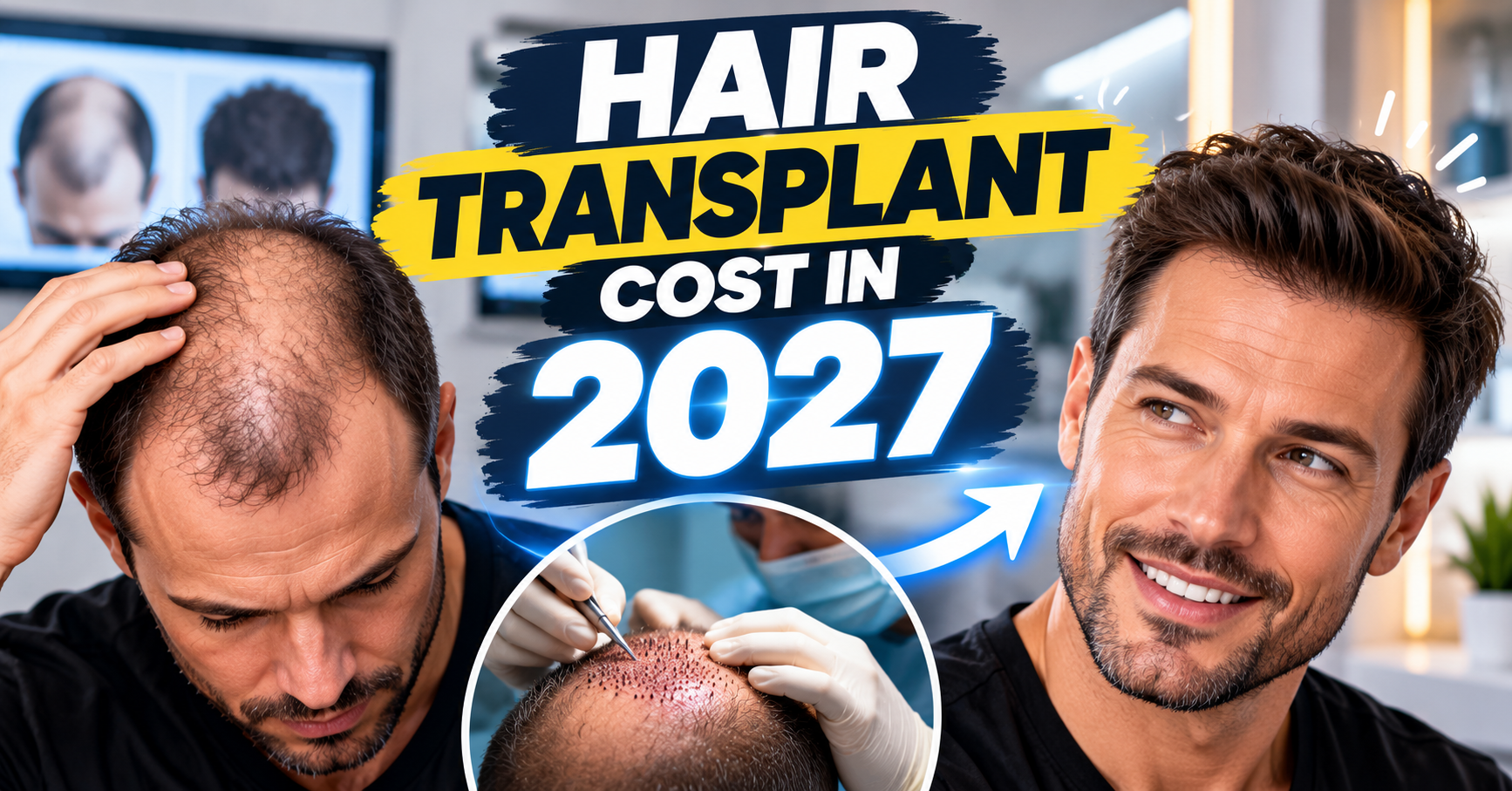
Thinking about a hair transplant but scared of the price tag? You are not alone. In the United States, most patients pay somewhere between $6,000 and $20,000 for a complete procedure, and the final number depends on just a few factors you can actually control. This guide breaks down what you will really pay in 2026, how FUE and FUT compare, and how to avoid paying for grafts you don’t need.
- Typical US price: $6,000 to $20,000 in total, or about $3 to $15 per graft.
- FUE usually costs more than FUT, but leaves tiny dot scars instead of a linear scar.
- Insurance almost never pays, because the surgery is considered cosmetic.
- Final results take about a year, so plan your budget and your calendar.
How much does a hair transplant cost in 2026?
Hair restoration surgeon Dr. Jae Pak puts the typical US range at $6,000 to $20,000, which works out to roughly $3 to $15 per graft (Jae Pak MD). A graft is a small group of one to four hairs moved from the back of your scalp to the thinning area.
That wide range is normal. A man who only needs to rebuild his temples might need 1,000 to 1,500 grafts, while someone with advanced crown and frontal loss may need 3,000 grafts or more, sometimes over two sessions.
FUE vs FUT: which one is cheaper?
There are two main techniques, and the one you choose changes both the price and the recovery.
| FUT (strip method) | FUE (individual extraction) | |
|---|---|---|
| Typical US cost | $4,000 to $15,000 | $5,000 to $20,000 |
| Scarring | One linear scar at the back of the head | Tiny dot scars, easier to hide with short hair |
| Recovery | Longer, more tenderness | Shorter, usually less pain |
| Best for | Large sessions, people who wear longer hair | People who like short haircuts |
Source: Jae Pak MD.
FUE takes longer in the operating room because each graft is removed one by one, which is the main reason it costs more. FUT can harvest many grafts at once and often yields more grafts per session.
5 factors that push the price up (or down)
- Number of grafts. This is the biggest driver. Ask every clinic for a written graft estimate, not just a total price.
- Your city. Clinics in major US cities and in the UK charge the most. Prices in Turkey or India are much lower, but follow-up care is harder if something goes wrong.
- The surgeon’s experience. A well-known surgeon with years of results usually charges more, and is often worth it for a natural hairline.
- Technology. Robotic or newer extraction tools can add to the bill.
- What is included. Some quotes include medication, follow-up visits and touch-ups; others don’t. Compare like with like.
Does insurance cover a hair transplant?
Almost never. Hair transplants are considered an elective cosmetic procedure, so health insurance typically does not pay. Rare exceptions involve hair loss caused by injury, burns or certain medical conditions (Jae Pak MD).
Many clinics offer monthly financing plans. Before signing, check the interest rate and total cost, as a 0% promotion that turns into a high rate after 12 months can add thousands to the price.
What happens after the surgery: a realistic timeline
Knowing the timeline helps you avoid panic in the first weeks. According to hair restoration surgeons at Kopelman Hair, most patients go through these stages (Kopelman Hair):
- Weeks 2 to 4: the transplanted hairs fall out. This “shock loss” is normal; the follicles stay in place.
- Months 1 to 3: fine new hairs start to appear.
- Months 4 to 9: hair thickens and density clearly improves.
- Months 10 to 12 and beyond: most people see their final result, and full maturation can take up to 18 months.
How to avoid overpaying
- Get at least three in-person or video consultations and compare graft counts.
- Ask to see before-and-after photos of patients with hair loss similar to yours.
- Confirm who actually performs the extraction and placement: the surgeon or technicians.
- Ask whether you might be a better candidate for non-surgical options first. Medications such as minoxidil or finasteride can slow loss, and some people need them after surgery anyway. Read our guide to tips for thinning hair.
Sudden hair loss, patchy bald spots, hair loss with itching or scaling, or hair loss after starting a new medication should be checked by a dermatologist before you consider surgery. Thyroid problems, iron deficiency and other treatable conditions can cause hair loss.
Frequently asked questions
How many grafts will I need?
It depends on how much area needs coverage and how dense you want the result. Small temple repairs often need around 1,000 to 1,500 grafts; extensive loss can require 3,000 or more. Only an in-person exam can give a reliable number.
Is FUE better than FUT?
Neither is better for everyone. FUE avoids a linear scar and usually heals faster; FUT can move more grafts in one session and often costs less.
Is a hair transplant permanent?
Transplanted hair usually keeps growing because it comes from areas resistant to balding. However, your original hair can keep thinning, which is why many surgeons recommend ongoing treatment.
Is it safe to get a cheap hair transplant abroad?
Many people travel for lower prices. The risks are less oversight, difficult follow-up and limited options if there is a complication. Research the surgeon, not just the clinic.
Sources
- Dr. Jae Pak, How Much Does a Hair Transplant Cost?
- Kopelman Hair, Hair Transplant Timeline: A Month-by-Month Guide
Save this guide for later on Pinterest