Last updated:
Mouth taping has gone from a niche biohacking habit to a popular social media sleep hack, with fans claiming a strip of tape over the lips delivers deeper sleep and less snoring. The idea sounds simple: force yourself to breathe through your nose and sleep better. But does mouth taping for sleep actually work, and is it safe? Here is what the research shows, who should never try it, and what to do instead.
- A 2025 systematic review of 10 studies (213 people) found little evidence that mouth taping improves sleep-disordered breathing.
- Only two small studies showed modest improvements, and only in people with mild obstructive sleep apnea.
- Taping can be dangerous if your nose is blocked, and it can mask untreated sleep apnea.
- Loud snoring, gasping or daytime exhaustion call for a medical evaluation, not tape.
What is mouth taping and why is it trending?
Mouth taping means placing a piece of porous tape, usually a vertical strip or a small patch, over closed lips before bed. The goal is to keep the mouth shut so you breathe only through your nose all night.
Supporters say nasal breathing filters and humidifies air, reduces snoring, prevents dry mouth and bad breath, and improves sleep quality. According to Cleveland Clinic, those are the common claims, but its sleep specialist notes that most of the evidence is anecdotal. Nasal breathing does have real benefits. The open question is whether taping is a safe or effective way to get there.
What the research actually shows
The most complete look at the evidence is a 2025 systematic review in PLOS ONE led by researchers at Western University in Canada. They analyzed 10 published studies involving 213 people with mouth breathing, snoring or obstructive sleep apnea (OSA).
The findings were underwhelming:
- Of the six studies that measured the apnea-hypopnea index (AHI, the number of breathing pauses or shallow breaths per hour), only two found a statistically significant improvement.
- In those two studies, AHI fell from 8.3 to 4.7 events per hour in one and from 12 to 7.8 in the other. Both involved people with mild OSA.
- Three studies found no significant change in AHI.
- Four studies flagged a potential risk of asphyxiation when people with nasal obstruction tape their mouths.
The authors concluded that the existing evidence does not support mouth taping as a treatment for sleep-disordered breathing and warned of potentially serious harm for people who adopt the trend indiscriminately. Notably, many of the studies excluded anyone with nasal blockage, which means the results may look better than what an average person would experience at home.
Other small studies have mixed results. Cleveland Clinic points to a 30-person study that found less snoring, a 36-person asthma study that found no benefit, and a 10-person study in which participants kept trying to breathe through their mouths despite the tape, a pattern researchers called “mouth puffing.”
Claims vs. evidence at a glance
| Claim | What the evidence says |
|---|---|
| Treats sleep apnea | Not supported. Two small studies showed modest AHI drops in mild OSA only; most showed no meaningful change. |
| Stops snoring | Weak, mixed evidence from small studies. Snoring can have causes tape doesn’t address. |
| Improves sleep quality | Largely anecdotal; not well studied. |
| Prevents dry mouth | Plausible if your nose is fully clear, but poorly studied. |
| Safe for everyone | No. Risky with nasal obstruction, allergies, enlarged tonsils or a deviated septum. |
The real risks of taping your mouth shut
The biggest danger is relying on a nose that can’t keep up. If your nasal passages narrow during the night from allergies, a cold or structural problems, tape removes your backup airway. Cleveland Clinic warns this can lead to respiratory distress and significant drops in oxygen levels.
Other reported problems include:
- Skin irritation, redness or allergic reactions to adhesive
- Increased anxiety
- Trouble falling or staying asleep
There is also a subtler risk: false reassurance. If tape quiets your snoring, you may assume the problem is solved while underlying sleep apnea continues untreated, which is why diagnosis comes first.
Mouth taping and sleep apnea: why tape is not a treatment
Obstructive sleep apnea happens when the airway in the throat repeatedly collapses during sleep. Taping the lips doesn’t hold the throat open. According to the National Heart, Lung, and Blood Institute (NHLBI), warning signs include loud, frequent snoring, breathing that starts and stops, gasping for air, excessive daytime sleepiness, morning headaches, dry mouth and frequent nighttime urination.
Dry mouth and snoring are two of the very symptoms that drive people to try tape, so masking them can delay a diagnosis. If any of these sound familiar, read our guide to sleep apnea signs and treatment and ask a clinician about testing. A home or in-lab test is the only way to know your AHI; see what to expect in our breakdown of sleep study cost.
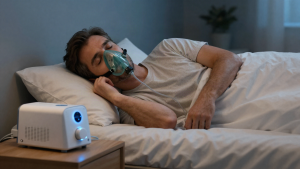
Proven therapies exist. The NHLBI lists positive airway pressure (PAP) machines as the most common treatment, along with oral appliances that hold the jaw or tongue forward, lifestyle changes such as side sleeping and limiting alcohol, and surgical options for some patients. If cost is a worry, see our article on CPAP machine cost and Medicare coverage.
Who should avoid mouth taping
Based on Cleveland Clinic guidance and the 2025 review, do not tape your mouth if you have:
- A stuffy nose, cold or sinus infection
- Chronic allergies or rhinitis
- A deviated septum, nasal polyps or other nasal obstruction
- Enlarged tonsils
- Diagnosed or suspected sleep apnea
- Heart or lung conditions
Don’t use mouth tape on children. Persistent mouth breathing in kids is worth discussing with a pediatrician, since the NHLBI notes children with sleep apnea may show hyperactivity, bedwetting or trouble concentrating.
Better ways to breathe through your nose at night
If you mouth-breathe or snore, these steps target the cause rather than covering it up:
- Find out why your nose is blocked. Allergies, a deviated septum or chronic sinus problems are treatable. An ENT specialist can help.
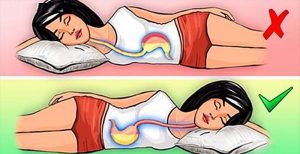
- Try side sleeping. Both NHLBI and Cleveland Clinic suggest it to help keep the airway open.
- Consider nasal strips. Cleveland Clinic lists them as an alternative that helps open the nose without sealing your mouth.
- Limit alcohol and caffeine. The NHLBI includes this among lifestyle steps for sleep apnea.
- Get tested if symptoms persist. CPAP or a custom oral appliance can address the airway itself.
The verdict
Mouth taping is not a proven sleep aid and is not a treatment for sleep apnea. A small number of people with mild OSA and clear noses saw modest improvements in limited studies, but the overall evidence is thin and the risks are real for anyone with nasal blockage. If you’re tempted to try it because you snore or wake up tired, that’s a sign to get evaluated rather than reach for tape.
See a doctor or sleep specialist if you snore loudly most nights, someone notices you stop breathing or gasp in your sleep, you wake with headaches or a dry mouth, or you feel very sleepy during the day despite enough time in bed. Seek prompt care for chronic nasal blockage, and stop taping immediately if you wake short of breath, anxious or with skin irritation.
Frequently asked questions
Is mouth taping safe?
It isn’t safe for everyone. People with nasal obstruction, allergies, enlarged tonsils or sleep apnea face real risks, including breathing difficulty. Talk with a clinician before trying it.
Does mouth taping help with snoring?
Evidence is limited and mixed. One small study found less snoring, but others found little benefit, and snoring may be a sign of sleep apnea that needs testing.
Can mouth taping cure sleep apnea?
No. A 2025 review found only two small studies with modest improvements in mild cases. Proven treatments include CPAP, oral appliances and other medical options.
What kind of tape do people use?
Products marketed for sleep are typically porous, skin-safe strips. Even so, the type of tape doesn’t change the core risk if your nose can’t supply enough air.
What can I use instead of mouth tape?
Treat nasal congestion, try side sleeping or nasal strips, limit evening alcohol and see a doctor about a sleep study if snoring or fatigue continues.
Sources
- PLOS ONE, Breaking social media fads and uncovering the safety and efficacy of mouth taping: A systematic review (2025)
- Cleveland Clinic, Mouth Taping
- NHLBI, Sleep Apnea: Symptoms
- NHLBI, Sleep Apnea: Treatment
Save this guide for later on Pinterest