Last updated:
Platelet-rich plasma, or PRP, has become one of the most talked-about treatments for thinning hair. The pitch is appealing: no surgery, no daily pills, just your own blood processed and injected back into your scalp. But PRP is paid out of pocket, it requires several sessions, and results vary from person to person. Before you book, here is what PRP for hair loss actually costs in 2026, how many sessions you will need, what the evidence says and who is most likely to benefit.
- PRP for hair typically costs $400 to $1,500 or more per session.
- A standard plan is three sessions about a month apart, followed by maintenance sessions every 6 months or so.
- First-year costs commonly land between about $1,500 and $6,000 once you count boosters.
- PRP tends to work best for thinning hair, not for areas that are already completely bald; studies suggest roughly 30 to 50 percent of patients see some benefit.
What is PRP hair treatment?
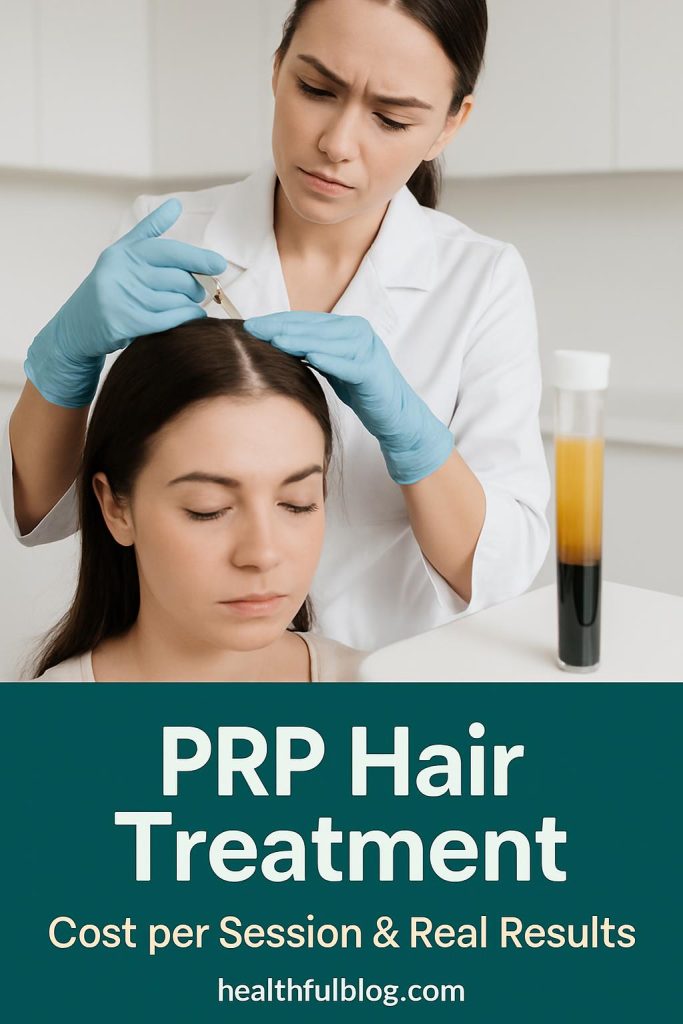
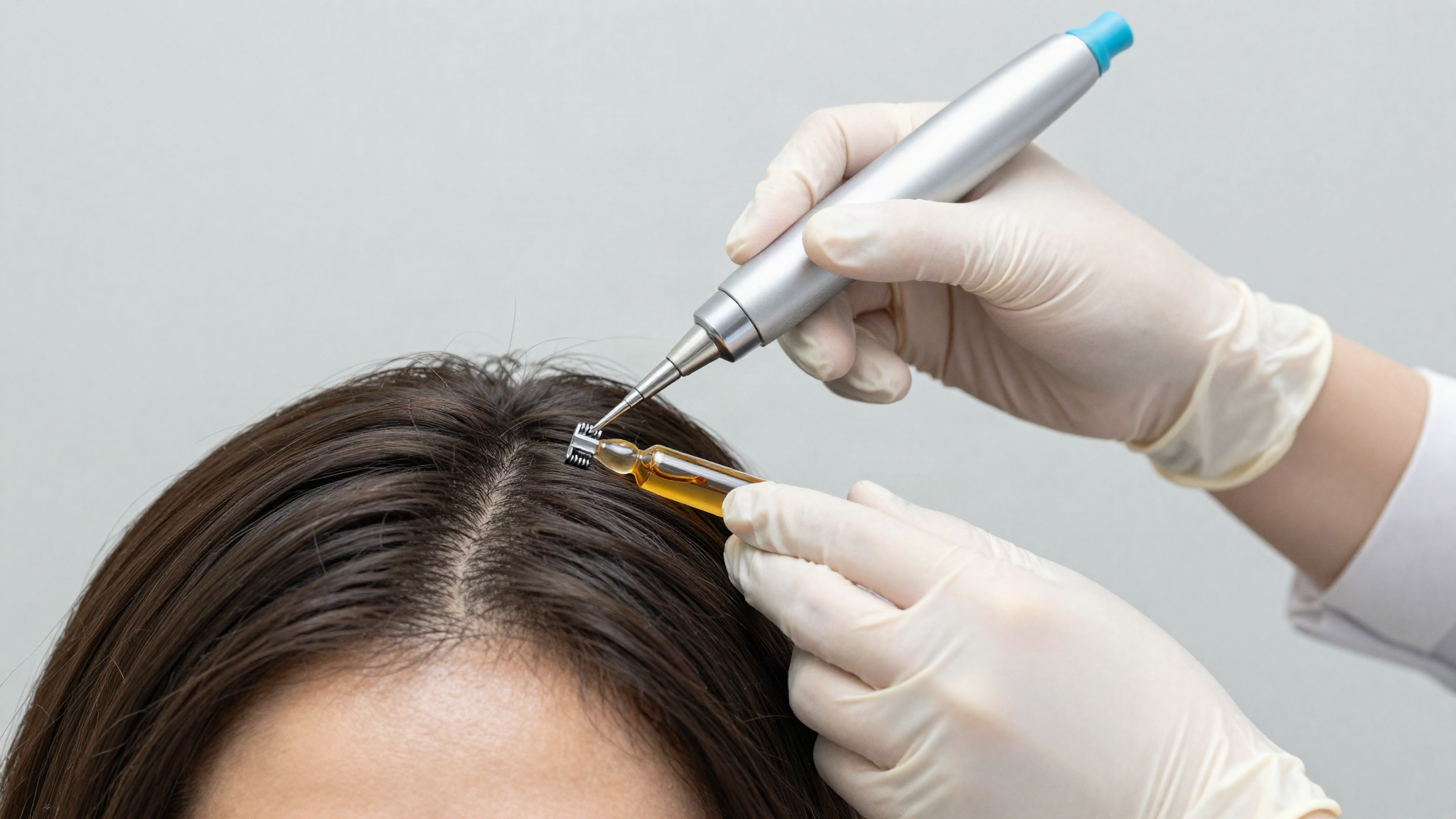
PRP treatment starts with a simple blood draw, much like a routine lab test. The blood is spun in a centrifuge, which separates it into layers. The layer rich in platelets is collected and injected into areas of the scalp where hair is thinning. Platelets contain growth factors involved in tissue repair, and the theory is that concentrating them near weakened follicles can help prolong the growth phase and thicken existing hair.
A session usually takes 45 to 90 minutes from blood draw to injections. Most people return to normal activities the same day.
PRP hair treatment cost breakdown
| Item | Typical cost | Notes |
|---|---|---|
| Single PRP session | $400 to $1,500+ | Varies by city, provider and technique |
| Initial series (3 sessions) | About $1,200 to $4,500 | Many clinics sell discounted packages |
| Maintenance session | Same as a single session | Usually every 6 months, sometimes once a year |
| Estimated first-year total | About $1,500 to $6,000 | Initial series plus one or two boosters |
| Add-ons (microneedling, exosomes, PRF) | Varies widely | Evidence for add-ons is more limited |
The session range and protocol are based on guidance from the International Society of Hair Restoration Surgery (ISHRS). Package and first-year totals are our estimates from those ranges.
Why prices vary so much
- Who performs it. Dermatologists and hair restoration surgeons often charge more than med spas, but they can also diagnose the cause of hair loss and combine PRP with proven medications.
- Preparation system. Commercial kits and centrifuges produce different platelet concentrations. There is no single standard yet, which is one reason study results differ.
- Location. Major metro areas command higher fees.
- Extras. Microneedling, numbing techniques, and newer variants such as platelet-rich fibrin (PRF) raise the price.
Does PRP for hair loss actually work?
Research on PRP has grown quickly, and many studies show improvements in hair count and thickness compared with placebo. The ISHRS notes that roughly 30 to 50 percent of patients see some benefit. Because protocols differ so much between studies, experts still consider the evidence promising rather than definitive.
What seems consistent:
- It works best on thinning areas where follicles are still alive. It cannot regrow hair on a shiny, long-bald scalp.
- Results are gradual. Most people evaluate progress around three to six months after the first session.
- Effects are not permanent. Without maintenance sessions, gains tend to fade over time.
- It pairs well with other treatments. Many dermatologists use PRP alongside topical or oral minoxidil and, for men, finasteride.
Who is a good candidate?
PRP is most often offered to people with androgenetic alopecia (male or female pattern hair loss) in its early to moderate stages. It may also be considered for some other types of hair loss under a specialist’s care. You may not be a good candidate if you:
- Have a blood or platelet disorder, or take blood thinners
- Have an active scalp infection or skin condition
- Have certain cancers or chronic infections
- Have large areas with no visible hair at all
A good provider will first look for causes such as thyroid problems, low iron or recent illness, which need their own treatment.
PRP vs. other hair loss treatments
| Treatment | Typical cost | Best for |
|---|---|---|
| Topical minoxidil | About $10 to $50 per month | First-line option for men and women |
| Finasteride (men) | Often $10 to $30 per month (generic) | Slowing male pattern hair loss |
| PRP injections | $400 to $1,500+ per session | Thinning areas, as an add-on to medication |
| Hair transplant | Thousands to tens of thousands | Permanent restoration of bald areas |
If you have substantial bald areas, a transplant may be the only option that restores coverage. Our guide to hair transplant costs breaks down FUE and FUT pricing. For low-cost daily habits that support your hair, see our top tips for thinning hair.
What to expect during and after treatment
- Blood draw: usually one to a few small tubes from your arm.
- Processing: about 10 to 15 minutes in a centrifuge.
- Injections: numerous small injections across the thinning areas. Numbing cream, cooling or nerve blocks reduce discomfort.
- Aftercare: expect mild soreness, tenderness or swelling for a day or two. Many providers ask you to avoid washing your hair for several hours and to skip anti-inflammatory painkillers for a few days, since they may blunt the platelet effect. Follow your provider’s specific instructions.
PRP is generally considered safe because it uses your own blood. Temporary pain at injection sites is the most common side effect. Infection, bruising and nerve irritation are possible but uncommon when performed by a qualified clinician in a sterile setting.
Is PRP covered by insurance?
No. Health insurers consider PRP for hair loss cosmetic or investigational, so it is almost never covered. Whether you can use HSA or FSA funds depends on whether it is treating a medical condition, so check with your plan administrator and keep documentation from your doctor. Many clinics offer package pricing or monthly financing.
How to get the most value from PRP
- Get a diagnosis first from a dermatologist so you know your type of hair loss.
- Ask about the protocol: how the PRP is prepared, how many sessions, and what maintenance looks like.
- Request standardized photos before your first session and at each follow-up so you can judge results objectively.
- Combine with proven medication unless there is a reason you cannot use it.
- Support your overall health. Deficiencies in iron, vitamin D or protein can worsen shedding; our overview of daily vitamins and minerals is a good starting point.
- Set a checkpoint. If you see no improvement after the initial series and six months, it may be time to stop paying for boosters.
See a dermatologist before starting PRP, and promptly if your hair loss is sudden, patchy, or comes with scalp pain, redness, scaling or scarring. Hair loss alongside fatigue, unexplained weight change or irregular periods can signal a medical problem such as thyroid disease or anemia. After PRP, contact your provider for increasing redness, warmth, pus or fever, which may indicate infection.
Frequently asked questions
How many PRP sessions do I need for hair loss?
Most protocols start with three sessions about four weeks apart, followed by maintenance treatments roughly every six months.
How long do PRP results last?
Results are not permanent. Many people maintain them with boosters once or twice a year.
Does PRP hurt?
The injections can be uncomfortable, but numbing techniques help. Soreness usually fades within a day or two.
Is PRP better than minoxidil?
They are not direct substitutes. Minoxidil has a longer track record and costs far less. PRP is usually considered an add-on for people who want more than medication alone provides.
Can women get PRP for hair loss?
Yes. PRP is used for female pattern hair loss, often together with minoxidil.
Sources
Save this guide for later on Pinterest