Last updated:
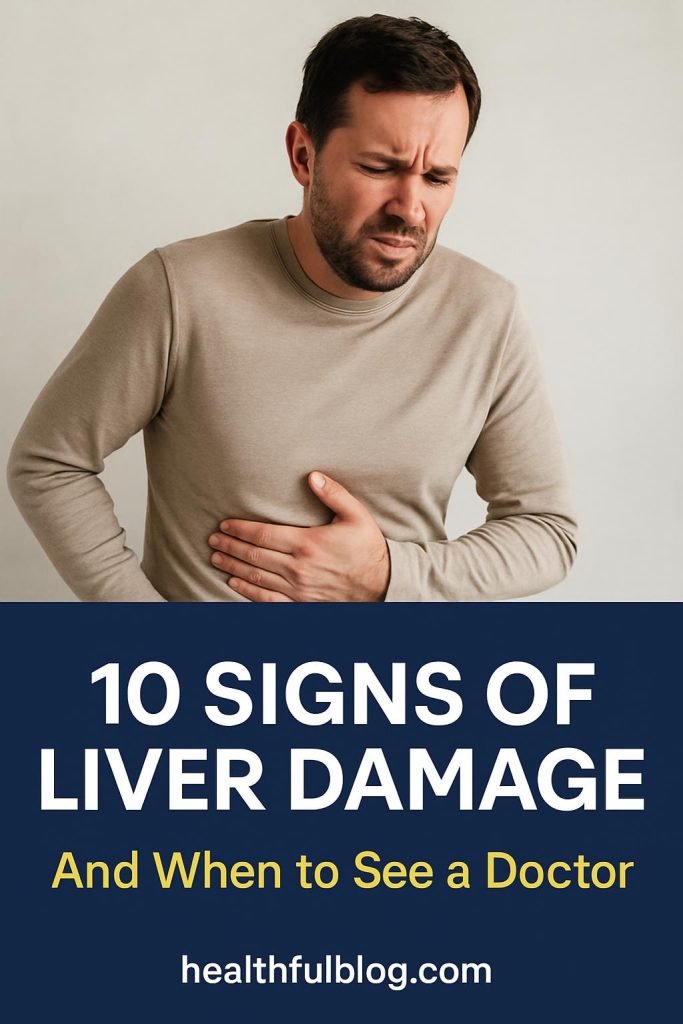
The signs of liver damage are often quiet. The liver can be harmed for years by fat buildup, alcohol or a viral infection before anything feels wrong, and when symptoms do appear they can look like everyday tiredness or an upset stomach. Knowing which liver damage symptoms are worth acting on, and which tests doctors use to look beneath them, helps you catch problems earlier. This guide covers the warning signs, common causes including fatty liver, how liver disease is diagnosed, and what reduces your risk.
- Liver disease frequently causes no symptoms early on, so a normal-feeling body does not rule it out.
- Common warning signs include jaundice, belly or leg swelling, easy bruising, itchy skin, dark urine and pale stool.
- Fatty liver (MASLD), alcohol, viral hepatitis and some medicines are among the most common causes.
- Doctors rely on blood tests, imaging and sometimes a biopsy, and lasting symptoms are a reason to book a visit.
Signs of liver damage to know
MedlinePlus lists swelling of the abdomen and legs, easy bruising, changes in the color of stool and urine, and jaundice, a yellowing of the skin and eyes, as common signs. It also states that sometimes there are no symptoms.
Mayo Clinic gives a longer list of possible symptoms of liver problems:
- Yellowing of the skin and whites of the eyes (jaundice)
- Belly pain and swelling
- Swelling in the legs and ankles
- Itchy skin
- Dark urine and pale stool
- Ongoing fatigue, nausea or vomiting
- Loss of appetite and easy bruising
Many of these are not specific to the liver. One symptom on its own rarely proves liver damage, but a cluster, or any lasting symptom that worries you, deserves a conversation with a clinician.
Fatty liver symptoms (MASLD)
Metabolic dysfunction-associated steatotic liver disease (MASLD) is fat buildup in the liver linked to metabolic health. It was previously called NAFLD, and NIDDK uses that older name on its fatty liver pages. Mayo Clinic says MASLD often has no symptoms, and when they appear they may include fatigue, a general unwell feeling and pain or discomfort in the upper right belly.
NIDDK notes that you can remain without symptoms even if cirrhosis, advanced scarring, has developed. In more advanced disease Mayo Clinic lists itchy skin, abdominal swelling, shortness of breath, leg swelling and yellowing of the skin and eyes.
Who is more likely to develop MASLD
Mayo Clinic names obesity, especially around the abdomen, type 2 diabetes, high cholesterol or triglycerides, metabolic syndrome, polycystic ovary syndrome, sleep apnea, hypothyroidism and growth hormone deficiency. It adds that some people develop MASLD without any known risk factor. If you have sleep apnea, our guide to sleep apnea signs and treatment covers its warning signs and treatment.
Common causes of liver damage
| Cause | What the sources say |
|---|---|
| Fatty liver (MASLD) | Linked to excess weight, insulin resistance, type 2 diabetes and abnormal blood fats |
| Alcohol | Long-term alcohol use is a recognized cause of liver disease |
| Viral hepatitis | Hepatitis A, B and C viruses can inflame or damage the liver |
| Autoimmune and genetic conditions | Examples include autoimmune hepatitis, hemochromatosis and Wilson disease |
| Medicines, herbal products, chemicals | Mayo Clinic lists certain medications, herbal products and chemical exposure |
Hepatitis and the value of testing
The CDC says many people with hepatitis C do not look or feel sick. When symptoms appear, 2 to 12 weeks after infection, they can include dark urine, clay-colored stool, fatigue, fever, joint pain, nausea and jaundice. The CDC recommends hepatitis C testing for all adults and all pregnant women, and states that treatment cures more than 95% of patients, usually with 8 to 12 weeks of pills.
How doctors test for liver damage
NIDDK says doctors diagnose cirrhosis using your medical history, a physical exam, and blood and imaging tests. The American Liver Foundation and Mayo Clinic describe the same toolkit for liver disease more broadly.
Blood tests
Liver function tests measure enzymes and proteins in the blood. Mayo Clinic lists ALT, AST, ALP, albumin, total protein, bilirubin, GGT, LD and prothrombin time. The American Liver Foundation notes that consistently high ALT can be a sign of liver damage. Mayo Clinic says the tests are used to screen for infections like hepatitis, monitor disease, detect cirrhosis and watch for medication side effects. The main risk is soreness or bruising where blood is drawn. For MASLD, doctors may also check blood sugar, A1C and cholesterol.
Imaging and elastography
Mayo Clinic says abdominal ultrasound is often the first test used when liver disease is suspected. MRI or CT can detect excess fat and cirrhosis. Transient elastography, a specialized ultrasound, measures liver stiffness, and MRI elastography does so as well.
Liver biopsy
A biopsy removes a small piece of liver tissue with a needle. Mayo Clinic notes that noninvasive imaging is used instead in most MASLD cases, while NIDDK says biopsy can help when other cirrhosis tests are inconclusive.
Treatment and prevention
Treatment depends on the cause, so a diagnosis comes first. For MASLD, Mayo Clinic says treatment usually starts with weight loss through diet, portion control and exercise. Losing 10% of body weight or more is recommended, though even 3% to 5% provides benefits, and the clinic suggests at least 150 minutes of exercise a week. It also says the medicines resmetirom and semaglutide can help reduce liver fat and scarring in people with moderate to severe scarring, but are not recommended in cirrhosis. Those are prescription decisions for your care team.
Mayo Clinic’s prevention advice for liver problems includes drinking alcohol in moderation, getting hepatitis vaccines, using medicines carefully, following food safety, using protection when handling chemicals, avoiding shared needles, choosing clean tattoo shops, and maintaining a healthy weight. For fatty liver, it recommends a diet rich in fruits, vegetables, whole grains and healthy fats, limiting alcohol, simple sugars and portion sizes, and being active most days.
Mayo Clinic advises making an appointment if you have lasting symptoms that worry you. Seek immediate care for severe abdominal pain. Do not wait if you notice yellowing of the skin or eyes, a swollen belly, or dark urine with pale stool. Ask about testing if you have diabetes, obesity, heavy alcohol use or hepatitis risk factors, even without symptoms.
Frequently asked questions
What are the first signs of a bad liver?
Often there are none. When early signs appear they tend to be vague, such as fatigue, nausea, loss of appetite or upper right belly discomfort. Signs such as jaundice, dark urine and itchy skin point more directly to the liver and should prompt a visit.
Can you have liver damage with normal symptoms?
Yes. MedlinePlus says sometimes there are no symptoms, and NIDDK notes people can remain symptom-free even with cirrhosis.
Does fatty liver cause pain?
It can cause discomfort in the upper right belly, but Mayo Clinic says MASLD often causes no symptoms at all.
Can the liver heal?
The sources reviewed do not promise reversal. Mayo Clinic does say that even a 3% to 5% weight loss provides benefits in MASLD, and that medicines can help reduce liver fat and scarring in some people. Ask your care team what to expect in your situation.
Should I get tested for hepatitis C?
The CDC recommends hepatitis C testing for all adults, all pregnant women and anyone recently exposed, because many people with the virus do not feel sick.
Sources
- MedlinePlus, Liver Diseases
- Mayo Clinic, Liver Problems: Symptoms and Causes
- Mayo Clinic, Fatty Liver Disease (MASLD): Diagnosis and Treatment
- NIDDK, Symptoms and Causes of NAFLD and NASH
- American Liver Foundation, Diagnosing Liver Disease
- CDC, Hepatitis C Basics
Save this guide for later on Pinterest